By Kisean
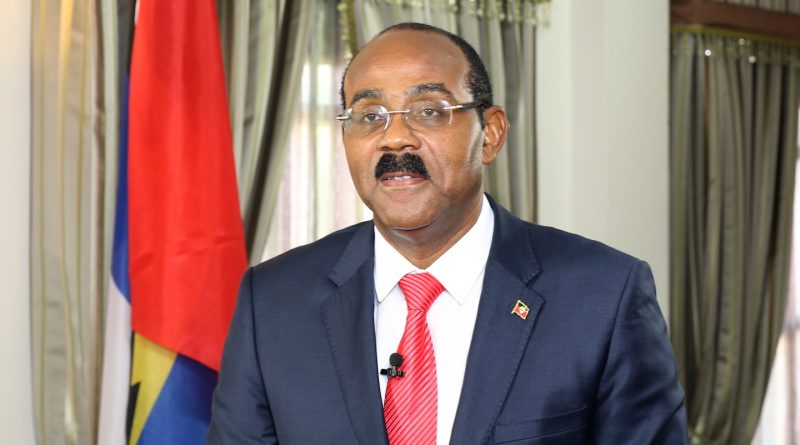
Prime Minister Gaston Browne has committed to implementing immediate reforms to protect local tourism operators from displacement by foreign nationals, following revelations that the marine excursion industry has become increasingly difficult for Antiguans and Barbudans to access.
The PM made the announcement on Saturday during a conversation with Adventure Antigua owner Eli Fuller and Antigua Slipway representative Robbie Falangola regarding the barriers facing local entrepreneurs in the tourism sector.
Browne announced that his cabinet will consider centralizing the work permit approval process as early as next Wednesday, taking direct government control to prevent exploitation by foreign nationals operating without proper authorization.
“I want to recommend next Wednesday in Cabinet that we put a system in place to centralize the granting of work permits so we know precisely who these individuals are,” Browne stated. “I find it absolutely ridiculous that someone could come here, purchase a boat and then go to Jumby Bay with a British accent and gets priority over locals. That has to stop.”
The Prime Minister also proposed creating a government-approved certification system to help tourists identify authentic local operators, serving as a substitute for business licensing requirements previously deemed unconstitutional.
In perhaps the most significant policy shift, Browne committed to ending tax concessions for hotels operating excursion businesses while creating a preferred concessionary regime exclusively for small, local operators.
“Someone who wants to buy a few jet skis to start a little water sports business should be given all the duties and taxes off,” the Prime Minister said. “However, if the hotel wants to get involved in backward integration and get into that sector, they must pay all the taxes.”
Fuller, who has operated Adventure Antigua since 1999, detailed numerous obstacles preventing Antiguans and Barbudans from competing. He revealed that foreign nationals can arrive, purchase a foreign-flagged vessel, import equipment duty-free, and begin operating tours within days—often without proper work permits.
Fuller also disclosed that major hotels, including Sandals, do not offer his tours to their guests, effectively locking out independent local operators. He described being required to sign contracts prohibiting him from accepting direct bookings from hotel guests.
The discussion highlighted concerns about large hotels operating their own excursion fleets. Fuller noted that Hermitage Bay operates seven boats, Jumby Bay has three, Carlisle Bay has three, and Curtain Bluff has two.
Falangola highlighted the prohibitive cost of obtaining required certifications, noting that a Botmaster’s Certificate costs approximately US$3,500 and that only two foreign-owned companies provide the training.
Education Minister Daryl Matthew committed to exploring whether local institutions could offer maritime training and certification courses.
Fuller identified the lack of pick-up and drop-off facilities at Heritage Quay in St John’s as a major barrier for independent operators seeking to serve cruise ship passengers.
“There needs to be a pick-up and drop-off spot where you’re allowed to spend 10 minutes, and then the next guy can pick up,” Fuller suggested. “Then you will see more local people coming into this business.”
Throughout the discussion, Browne emphasized his vision for a more inclusive tourism sector, moving away from what he described as an “enclave industry controlled by the few.”
“We want to make sure that tourism does not remain somewhat of an enclave industry controlled by the few, but one in which there’ll be broad participation by our locals,” he stated.
The reforms represent a significant policy shift to ensure the benefits of Antigua and Barbuda’s thriving tourism industry are more equitably distributed among the local population.