Panyards Serve – By Jeressa Jeremy
Panyards Serve Social Safety
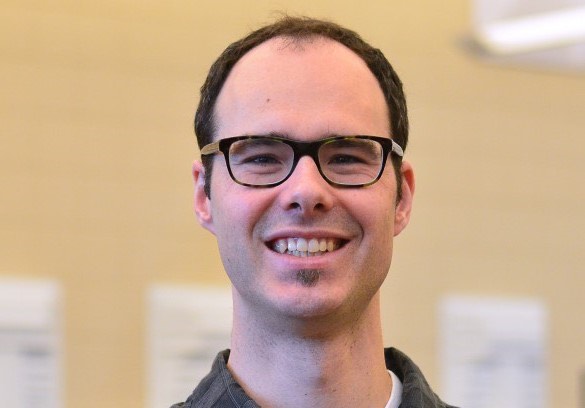
Andrew R. Martin, Ph.D., a professor of music and ethnomusicologist specializing in the history of steel band in Antigua and Barbuda and pan in education, said the Antiguan panyard as a vital “social safety net” and a “central nexus point” for community development.
Appearing on Observer AM on Wednesday, Dr Martin discussed how the unique structure of steelband ensembles provides a constructive outlet for youth during critical after-school hours, fostering discipline and academic resilience.
Dr Martin highlighted that the panyard serves as a bridge between schools, churches and neighborhood legacy bands.
Unlike clinical or seasonal programs, the panyard offers a permanent space for belonging and identity..
“A panyard is a community. It offers a place where people can go and they can belong to something… it allows them opportunities for both short-term and long-term success,” Martin stated.
He noted that the “zero barrier to entry” makes the instrument an ideal tool for immediate engagement, allowing students to accomplish goals daily.
A key strength of the Antiguan model is its intergenerational nature. Dr Martin observed that having youth play alongside elders creates a unique learning environment where wisdom is imparted naturally, rather than through formal instruction.
“When you have somebody who is 50 or 60 years old standing next to somebody who is 10 or 11, and they are demonstrating the same level of vulnerability—trying to learn this instrument at the same time—that experience is a very powerful connective point,” he explained.
The discipline of the panyard translates directly into the classroom through a high level of peer accountability, as students often use their time in the yard to discuss schoolwork or mentor one another in academic subjects.
This environment creates what Dr Martin calls the “carrot effect”—where the desire to participate in the steelband acts as a high-value incentive that motivates youth to remain focused and stay in school throughout the day to earn their place in the band.
Beyond the music, the rigor of learning complex arrangements by ear fosters essential soft skills such as leadership, teamwork, and “stick-to-itiveness,” providing students with a practical foundation for success in a formal academic setting.
Dr Martin warned that for these benefits to remain permanent, the funding for panyards must move beyond seasonal carnival investments.
He stressed the importance of funding year-round instructors and administrators to ensure programs do not fold when individual founders move on.
“If the panyard and the arrangers can’t pay their bills, the programs will fold,” he cautioned, adding that inconsistent funding sends a negative message to the youth about the value of their cultural heritage.