Pringle Proposes – By Deslyn A Joseph
Pringle Proposes Four Day
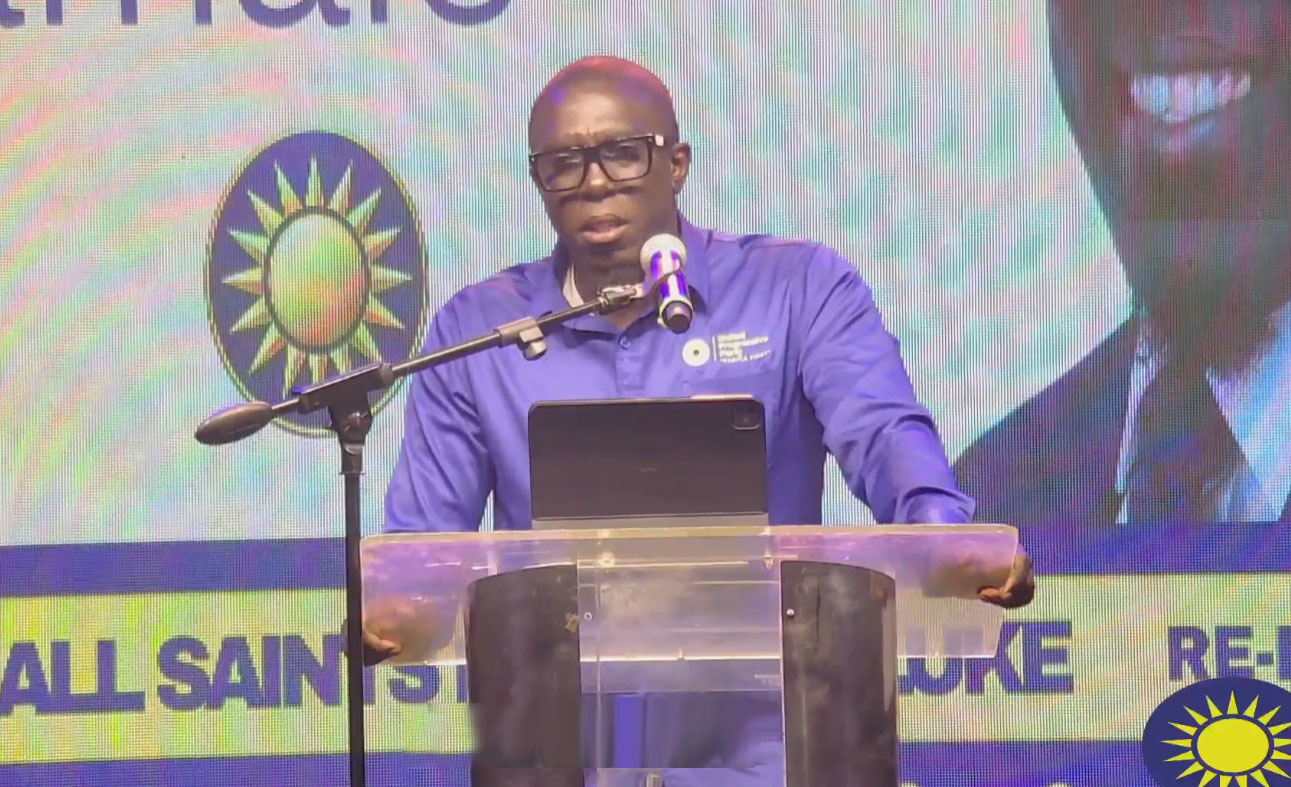
Jamale Pringle, the United Progressive Party’s (UPP’s) candidate for All Saints East and St Luke, has unveiled a landmark proposal to transition the public sector to a four-day work week if the party is elected to office.
The declaration was made Tuesday evening during the “UPP Rising Rally”, a campaign event where Pringle outlined a suite of measures designed to enhance the quality of life for civil servants. Under the proposed timeline, the policy would be officially instituted by Labour Day 2027 following extensive dialogue with labour representatives.
“The United Progressive Party will consult all the public service unions and other stakeholders on instituting a four-day work week by Labour Day 2027,” Pringle told supporters. “Government will continue its normal operations by restoring workers, allowing them time for their children, their elderly parents, their church activities, farming and, most of all, whatever it takes for them to improve their mental health, their well-being and their productivity,” he added.
Pringle framed the shorter work week as a strategic solution to modern labor challenges, including widespread worker burnout and the ongoing migration of skilled professionals seeking better conditions abroad. He emphasized that the shift is rooted in the philosophy that the state should prioritize the stability of the domestic unit.
“That is what the next United Progressive Party will do for the workers in this country,” Pringle added, “because government must work for families and communities.”
He said the four-day work week initiative is a key pillar of the UPP’s wider public sector reform platform. This agenda also includes a commitment to reviewing current salary scales and making tangible improvements to general working conditions across government departments.
As the election cycle intensifies, the proposal has already become a focal point of political discussion. While the plan has energized supporters, it is expected to draw scrutiny from critics regarding the logistics of implementation and its potential impact on the national economy.