Pavement Potential – By Deslyn A Joseph
Pavement Potential Battle Rural
As the April 30th General Elections approach, the battle for St John’s Rural North Constituency has emerged as a compelling study in contrasting priorities.
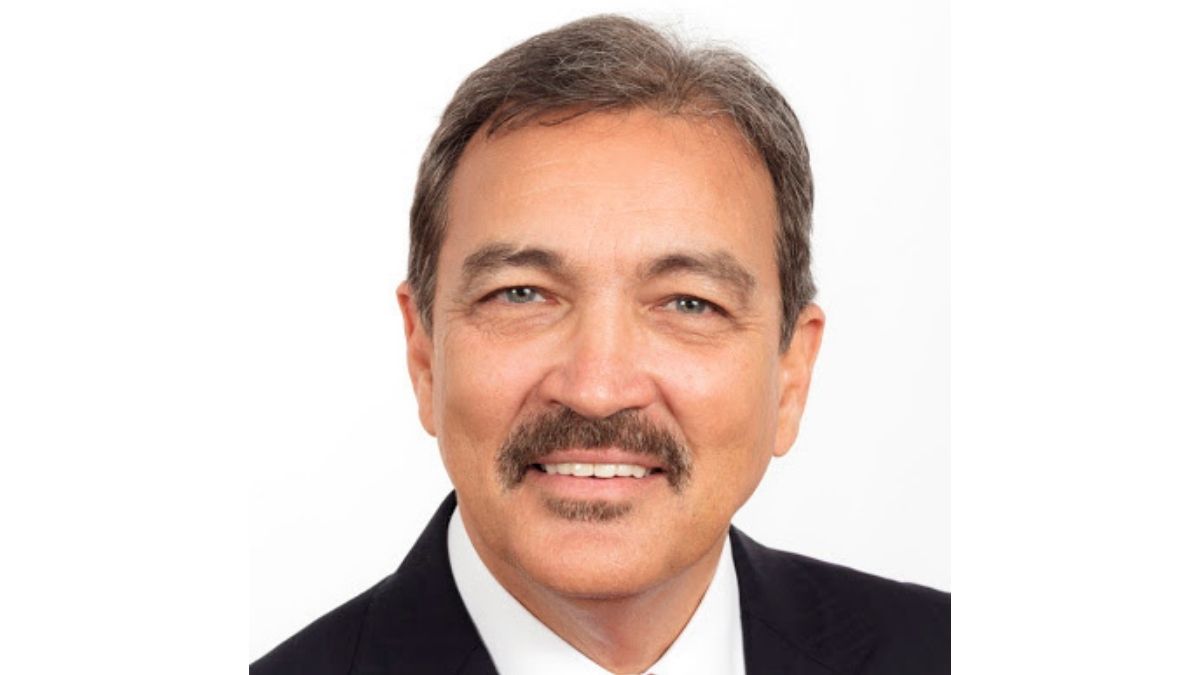
Henry Charles “Max” Fernandez, representing the Antigua and Barbuda Labour Party (ABLP), is leaning on a decade of physical transformation, while United Progressive Party’s (UPP’s) challenger, Malaka Parker, is calling for a radical shift toward human capital and educational reform.
Fernandez, who has held the seat since 2014, is seeking his fourth consecutive term in office. His campaign centers on the visible: the asphalt underfoot and the lights overhead. Addressing the long-standing water and road challenges that have historically burdened the constituency, Fernandez admits the job is unfinished but insists the progress is undeniable.
“It’s better, but not perfect,” he stated during a recent “Know your Candidate” interview. “But I can tell you it is more pleasant. There were no roads in certain areas. In Yorks extension, there was just a dirt track [and] we’ve been able to change that.”
He highlighted the resurfacing of roads in Cedar Grove and the installation of streetlights, specifically pointing to Friars Hill Road as evidence of his effectiveness. Should he be returned to office, Fernandez named the continued identification and repair of secondary roads as his number one priority.
Responding to accusations of a lack of constituent engagement due to his ministerial responsibilities, he pointed to his “open-door policy.”
“No constituent is turned away from my office, no day,” he asserted. “They may have to wait a little while if I’m in a meeting, but you can check with anybody in my office to confirm that. That is real, tangible engagement.”
Contrasting this focus on physical infrastructure, UPP candidate Malaka Parker is centering her platform on the grand barrier within the nation’s education system. Parker argues that while roads are necessary, they are secondary to the development of the people travelling on them.
“What you need is more skilled young people,” Parker argued. “Our education system, right from the beginning, is not properly responding to the needs of a developing nation.”
Parker expressed particular concern for young men who often struggle within traditional academic frameworks. She advocates for a pivot toward technical and vocational training, arguing that the system must adapt to “tactile” learners who are currently falling through the cracks.
“That is why we drive in on roads, that’s for sure, but we don’t need any more doctors and lawyers. We need engineers,” Parker said. She contends that the current system produces a mismatch between the qualifications of the workforce and the actual technical needs of the country.
The race has distilled into two distinct visions for the future. For Fernandez and the ABLP, the path forward is paved with the completion of infrastructure projects and the stability of a veteran representative. For Parker and the UPP, the priority is a fundamental restructuring of how the constituency and the country prepares its youth for the global market.
Voters in St John’s Rural North will head to the polls on April 30 to decide which foundation they trust more: the one made of stone or the one made of skills.