Antigua Positions – By Kisean Joseph
Antigua Positions Education Core
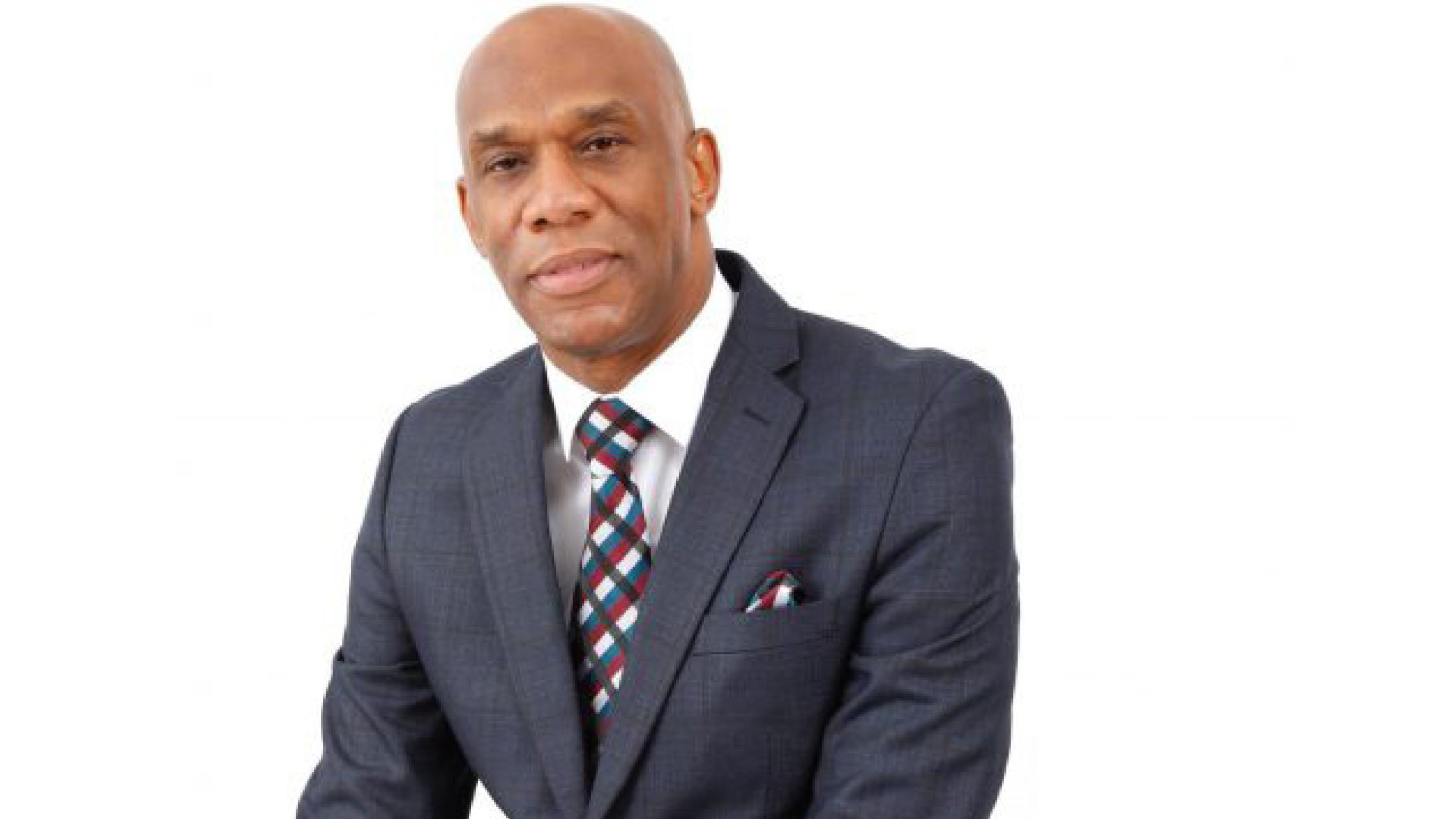
Antigua and Barbuda has called for education to be redefined as core national infrastructure rather than a competing social priority, with Director of Education Clare Browne making the case at the United Nations on Friday.
Delivering opening remarks at the Transforming Global Education Summit at ECOSOC headquarters, Browne said the traditional framing of education was “no longer sufficient” for small island developing states navigating climate exposure, economic volatility and rapid technological change.
The Summit, held under the theme “Redefining Education as Global Infrastructure”, was co-hosted by Antigua and Barbuda alongside the PVBLIC Foundation, the Government of the Kingdom of Tonga, and the Learning Economy Foundation.
Browne told delegates that education must now be understood as fundamental to resilience, economic performance and long-term national capacity.
“Education must now be understood as core national infrastructure—fundamental to resilience, economic performance, social stability, and national development,” he said. “It is where skills are developed, values are shaped, and the long-term capacity of a country is built and sustained.”
He stressed that for countries like Antigua and Barbuda, the shift in thinking was not theoretical but a defining development priority.
The Director of Education pointed to sustained government investment in human capital, including the development of The University of the West Indies Five Islands Campus, as evidence of a deliberate effort to expand tertiary access and build regional capacity.
He also defended targeted welfare measures within the education system, arguing that supports such as school meals and uniforms reflect a clear recognition that equitable access is essential if every child is to participate fully and succeed.
Browne further outlined digital transformation as a core component of ongoing reform, citing the strengthening of digital skills, improvements to data systems, and alignment with broader national digital strategies.
“Strengthening digital skills, improving data systems, and aligning education with broader national digital strategies are no longer optional—they are foundational to how modern education systems must function,” he said.
However, the director conceded that governments could not deliver transformation alone, and called for partnerships that move beyond dialogue to actual delivery.
He warned that for small island developing states, constraints in financing and capacity demanded both strategic and efficient design of reform efforts. He linked this directly to the Antigua and Barbuda Agenda for Small Island Developing States, which highlights digital infrastructure, lifelong learning, innovation, and youth inclusion as priorities.
Setting out the country’s position as co-host, Browne offered a four-point summary of Antigua and Barbuda’s stance.
“We believe education systems must not only expand access, but build capability. We believe technology must strengthen public systems, not bypass them. We believe partnerships must reinforce country-led priorities. And we believe that every learner—regardless of circumstance—should benefit from systems that are inclusive, responsive, and future-ready,” he said.
Browne expressed hope that the Summit would move discussions beyond identifying challenges and towards clarifying practical pathways for action—pathways he said should strengthen systems, expand opportunity, and keep education central to building resilient societies.
He closed by signaling Antigua and Barbuda’s readiness to work alongside international partners in advancing the shared objective of transforming global education.