Child Born – By Kisean Joseph
Child Born Bad Says
A clinical expert in trauma and family wellness is pushing back against one of the most persistent beliefs in Caribbean parenting culture that some children are simply born difficult or bad-natured.
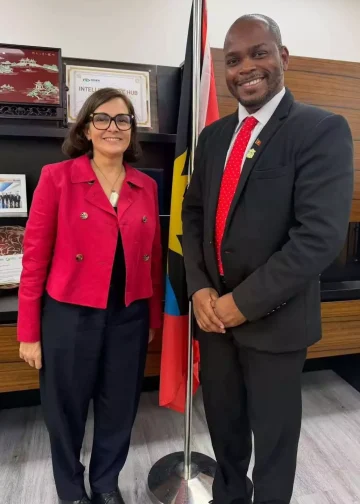
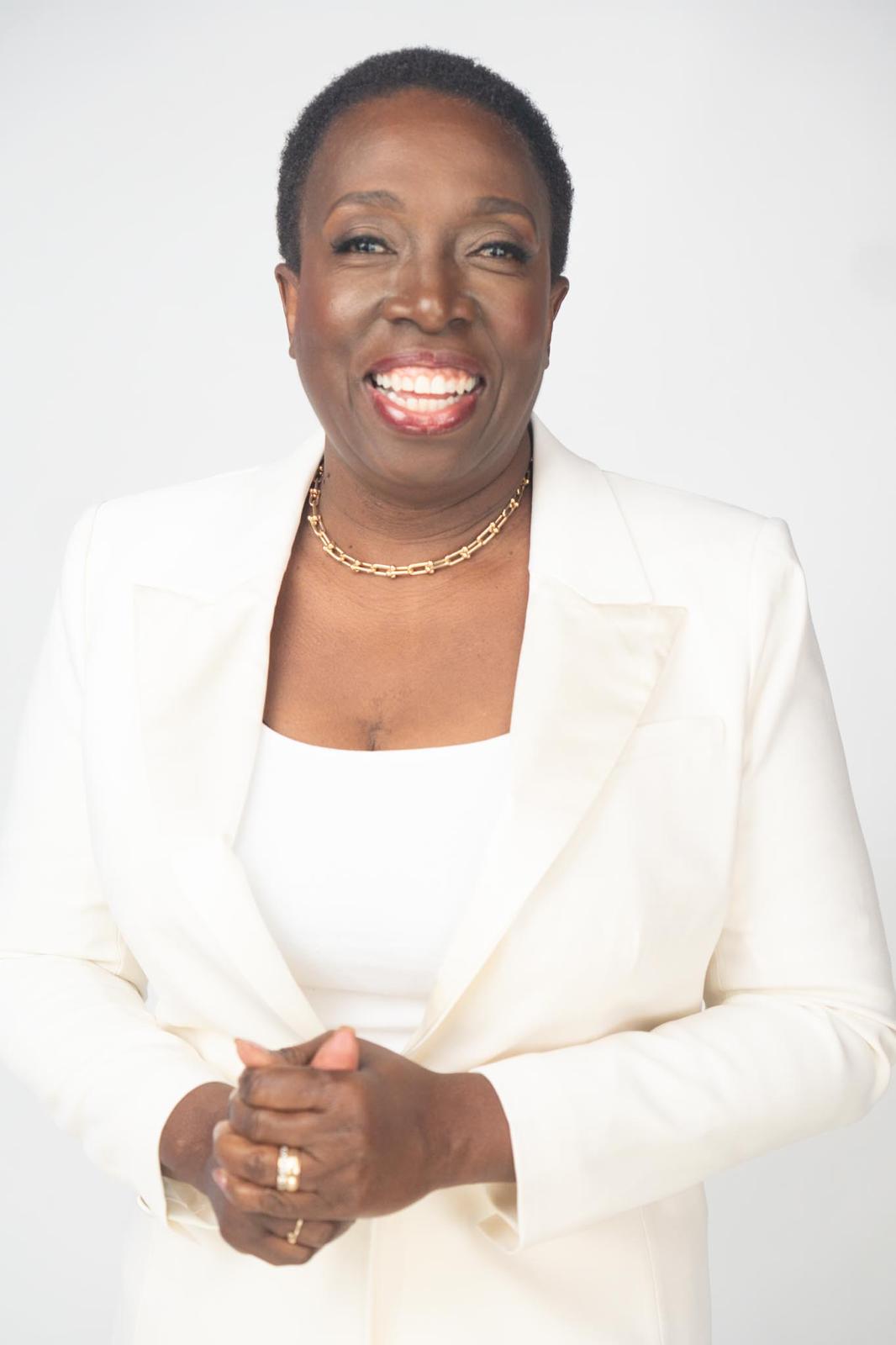
Dr Judith Josiah-Martin, a PhD-level clinical social worker and the 2021 President’s Outstanding Teacher of the Year at the University of Maine, made the assertion during an appearance on Observer a.m. on Friday, marking International Day of Families. She said science does not support the notion that any child enters the world predisposed to bad behaviour.
“All human behaviour is learned behaviour,” Dr Josiah-Martin said. “Children are born blank slates. The brain is ready for input, for information, for loading. Think about it like a computer system where, unless you put something in there, nothing comes out.”
The expert acknowledged that children are born with certain biological tendencies, but drew a clear distinction between innate traits and learned behaviour, arguing that the environment surrounding a child from birth determines how those tendencies ultimately develop or are suppressed.
Dr Josiah-Martin also challenged the widespread assumption that meaningful learning only begins when a child starts to speak. She said imprinting through the senses, sight, sound, and touch, begins from day one, and that parents who wait until a child is one or two years old to actively engage them have already missed a critical window.
“Learning and imprinting start from zero, day one,” she said. “Once those eyes are open, once those ears can hear, once that skin can feel touch, they are learning.”
She added that the so-called terrible twos, a phase widely associated with tantrums and emotional outbursts, need not be inevitable. According to Dr Josiah-Martin, children who are supported in building emotional regulation skills from infancy are better equipped to manage their feelings by the time they reach that stage.
Regarding parental support, Dr Josiah-Martin urged parents, particularly those who feel isolated, to be intentional about building what she described as a parent-to-parent village. She said this support network does not have to be rooted in biological family.
“Every parent needs about three to five people that if something happened to you, you could call them and say, ‘ Pick up so-and-so from school right now’, and they will hold on to your children as if they were their own,” she said. “Not by birth, by choice.”
Dr Josiah-Martin serves as a board member for major healthcare and educational systems in the United States and holds expertise in trauma and family wellness.