Observer News Desk
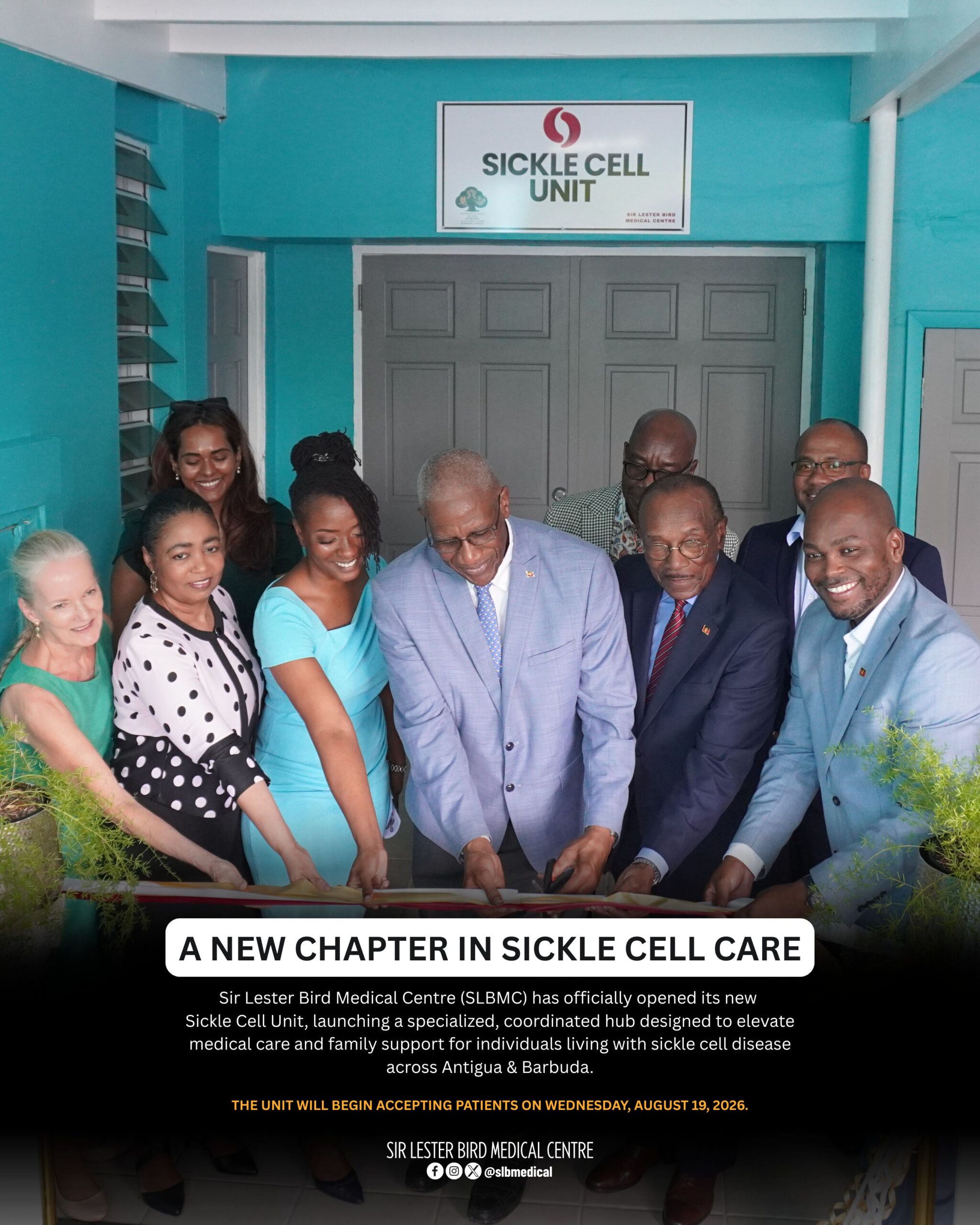
A dedicated Sickle Cell Unit has opened at the Sir Lester Bird Medical Centre (SLBMC), creating a central hub for treatment, preventive monitoring, patient education and family support.
The unit, which begins accepting patients today, is intended to improve the management of sickle cell disease, strengthen continuity of care and reduce emergency room visits and hospital admissions.
It will bring outpatient services and clinical resources together in one location, while working with the hospital’s wider clinical team and community partners, including the Sickle Cell Association.
Medical Director Dr Shivon Belle-Jarvis said the unit represents an investment in care that responds to the realities faced by patients and their families.
“For someone living with sickle cell disease, care is not limited to what happens during a hospital visit,” she said. “It is about having access to knowledgeable healthcare professionals, receiving consistent follow-up, understanding your condition and knowing where to turn when you need support.”
Health Minister Michael Joseph said the facility would offer more comprehensive care and give families greater confidence that support would be available beyond periods of crisis.
“When we strengthen sickle cell care, we are strengthening the support available to children, adults and families who live with this condition every day,” Joseph said.
Sickle Cell Unit Co-ordinator Dr Veena Vignarajah said the service would focus on making each patient’s journey more co-ordinated and ensuring that patients feel known, heard and supported.
“Sickle cell disease can affect many aspects of a person’s life, and our responsibility is to look beyond the immediate clinical issue and understand the person behind the diagnosis,” she said.
Sickle Cell Association President Dr Edda Hadeed welcomed the development, describing the clinic as a major step towards improved care. She said specially trained staff would provide assistance during emergencies as well as long-term disease management, routine visits, education and guidance on newborn screening results.
Hadeed said the dedicated unit would allow patients to receive care according to their individual needs in an environment free from bias and stigma.
The opening ceremony brought together government and healthcare officials, patients, families, members of the sickle cell community and other supporters. It also included a patient’s perspective on living with the disease and the importance of services that recognise the needs of patients and their families.

SLBMC Opens Dedicated Sickle Cell Unit