By Sharon N. Simon
[email protected]
Bereaved parents are calling for sweeping reforms to Antigua and Barbuda’s justice system, citing prolonged police silence, ignored court orders and serious communication failures that compounded their grief.
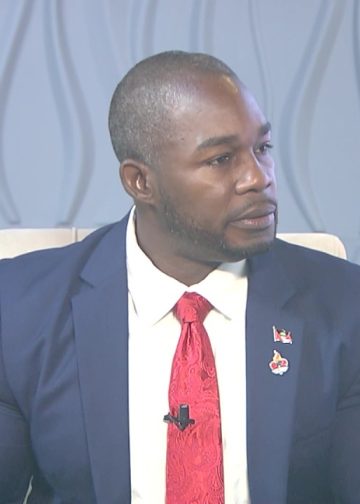
Speaking on Observer AM, Joycelyn O’Garro-Piper, Vangetta Hector-Francis and Khalid Shabazz recounted their struggles after losing their children and dealing with what they described as institutional neglect. Hector-Francis, whose son Vonde Bowers was killed last year in an incident involving teenagers, said she learnt of major developments in the case through WhatsApp messages rather than from the authorities.
O’Garro-Piper, who waited two and a half years before learning of an arrest by chance, described the lack of official contact as ‘excruciatingly loud’. She called for a functioning customer service unit within the police force to keep victims’ families informed.
Shabazz, meanwhile, said court orders directing that his son, Rashawn, receive medical treatment at Clearview Psychiatric Hospital were repeatedly ignored. Rashawn later died in prison in circumstances his father has questioned.
Responding to the concerns, retired Assistant Commissioner of Police Nuffield Burnett acknowledged that law enforcement has a legal duty to keep complainants informed throughout investigations. He said families who encounter delays or poor communication from officers may seek redress through the police force’s Office of Professional Standards, which is mandated under a statutory disciplinary code to investigate misconduct.
Burnett also emphasised that, although police may advise families against seeking legal counsel, citizens are under no obligation to follow that advice.
Legal expert Warren Cassell said grieving families should seek independent legal guidance. He noted that court orders, such as the one obtained by Shabazz, can be enforced against prison authorities if they are not followed.
Cassell also addressed parents’ concerns about the Juvenile Act, explaining that the law prioritises rehabilitation and limits custodial sentences to prevent young offenders from becoming hardened criminals. However, he said civil remedies remain available to affected families.
The families urged the authorities to introduce immediate institutional changes, including reinstating school truancy officers to protect vulnerable young people, amending legislation to strengthen penalties for juvenile crime, and improving co-ordination between the courts and psychiatric facilities in the treatment of people with mental health conditions.

Bereaved parents demand sweeping justice system reforms