Multi Agonist – Investigational multi-agonist receptor compounds expand preclinical models, prompting researchers to prioritize rigorous third-party analytical validation.
If you manage a modern biochemistry lab, you know how quickly metabolic disease models are changing. Investigational multi-agonist incretin analogues and triple-receptor candidates now challenge the way scientists evaluate receptor dynamics and energy balance in animal models.
Staying ahead means understanding how these multi-target molecules work while keeping your experimental design dependable. When you establish strict standards for molecular purity and testing workflows, you protect your data against experimental drift.
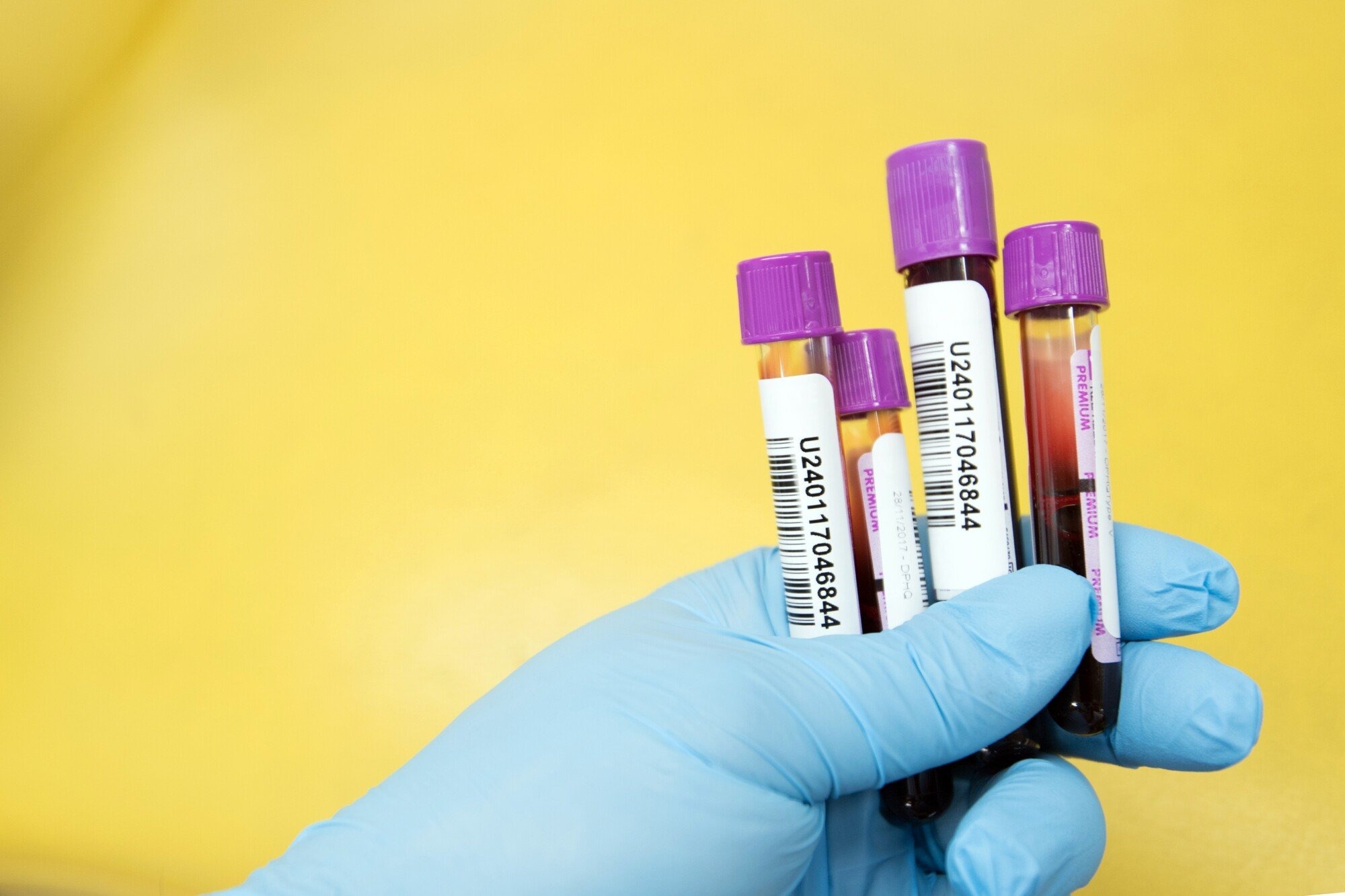
Image source: https://pixabay.com/photos/blood-sample-lab-laboratory-5053739/
How Do Triple Agonists Reshape Metabolic Research?
Single-pathway agonists once dominated obesity and diabetes investigations, but multi-targeted agents have expanded experimental possibilities. By activating multiple distinct hormonal pathways, these novel agents generate synergistic effects across cell cultures and rodent lines.
Evaluating multi-receptor interactions requires compounds with precise sequence integrity. When your team evaluates a novel GLP 3 RT research peptid batch under benchtop conditions, you need complete clarity regarding its molecular weight and purity profile. High-affinity binding across multiple targets demands exact peptide structure, because subtle sequence truncations can derail your entire study. You can map complex receptor interactions accurately only when your starting compounds match their intended design.
What Drives GLP-1, GIP, and Glucagon Receptor Interactions?
Understanding the triad of metabolic receptors helps you unravel complicated biological responses. GLP-1 receptor activation stimulates glucose-dependent insulin secretion and slows gastric emptying. GIP receptor activity complements this process by buffering insulin sensitivity and managing adipose tissue storage. Glucagon receptor signaling increases energy expenditure and promotes hepatic lipid metabolism.
Combining all three targets in a single balanced molecule creates striking biological changes. Preclinical data reported by Drug Discovery Trends highlighted that a triple-agonist candidate produced up to 19.7% average weight reduction over 24 weeks compared to only 2.0% in control groups. This synergistic response demonstrates why balanced affinity matters during assay design. If your molecule leans too heavily toward one receptor, your lab observes skewed metabolic readouts.
Why Do Impurities Threaten Laboratory Metabolic Trials?
Complex multi-agonist peptides require solid-phase synthesis protocols that involve dozens of coupling cycles. Every chemical addition introduces chances for incomplete reactions, deletion sequences, or stereoisomeric impurities.
Unverified compounds create severe hurdles for preclinical consistency. A market surveillance study published by The Patriot Lab examined unverified peptide vials and revealed actual purity levels between 7.7% and 14.37% through mass spectrometry testing, falling far short of stated 99% purity specifications. Incomplete peptides and chemical artifacts can bind receptors unpredictably, muting downstream cAMP signals or triggering false cytotoxicity readings. When your research demands clean mechanistic answers, degraded materials waste precious laboratory hours.
How Do You Validate Synthetic Peptides with HPLC and Mass Spectrometry?
High-performance liquid chromatography (HPLC) serves as your primary tool for judging peptide homogeneity. Reversed-phase HPLC separates target sequences from minor truncation fragments based on hydrophobicity differences. You inspect chromatogram peaks to confirm that related substances remain below detection thresholds.
Mass spectrometry provides the required companion verification by confirming precise molecular mass. While HPLC confirms that your sample contains a uniform component, mass spectrometry reveals whether that component possesses the correct amino acid sequence. Electrospray ionization mass spectrometry detects minute mass variations caused by oxidation, deamidation, or missing residues. Relying on both analytical techniques guarantees that your test articles meet strict biochemical standards.
Overcoming Methodological Challenges in Daily Lab Work
Working with multi-receptor synthetic peptides introduces physical and analytical hurdles during in vitro and in vivo studies. Hydrophobic residues frequently promote aggregation, which lowers the active compound concentration in your working solutions. You must anticipate these operational pitfalls before beginning your sample preparation:
- Control storage conditions: Lyophilized vials require storage at -20°C in desiccated containers to prevent moisture absorption.
- Inspect analytical paperwork: Every research vial must include third-party verification showing chromatograms and exact peak analyses.
- Standardize reconstitution protocols: Gentle swirling in bacteriostatic water prevents mechanical shear stress that damages delicate peptide chains.
- Perform regular checks: Periodic HPLC verification helps your team track peptide stability throughout extended experimental timeframes.
Implementing these standard measures keeps your assays reproducible across repeated testing cycles. Standardized procedures prevent sudden sample degradation and keep your working reagents uniform.
How Should Laboratories Establish Quality Control Pipelines?
Developing a strong verification pipeline protects your research budget and publication timeline. Rather than trusting vendor labels at face value, top laboratories implement verification checkpoints before dispensing peptides into active experimental designs.
Your team should establish direct partnerships with qualified analytical testing facilities. Independent third-party testing provides unbiased quantitative data on sequence identity, chemical purity, and counter-ion content. When your laboratory confirms compound integrity before in vitro binding studies, your team generates findings that peer reviewers can trust.
Image source: https://www.pexels.com/photo/gloved-hand-holding-test-tube-in-laboratory-36603142/
A dependable analytical foundation gives your metabolic research lasting scientific value. Thorough third-party analytical validation and clear Certificate of Analysis documentation confirm that your experimental compounds meet required specifications. When your team insists on verified chemical purity, your metabolic models deliver credible insights that advance the field.
Advertise with the mоѕt vіѕіtеd nеwѕ ѕіtе іn Antigua!
We offer fully customizable and flexible digital marketing packages.
Contact us at [email protected]