By Sharon N. Simon
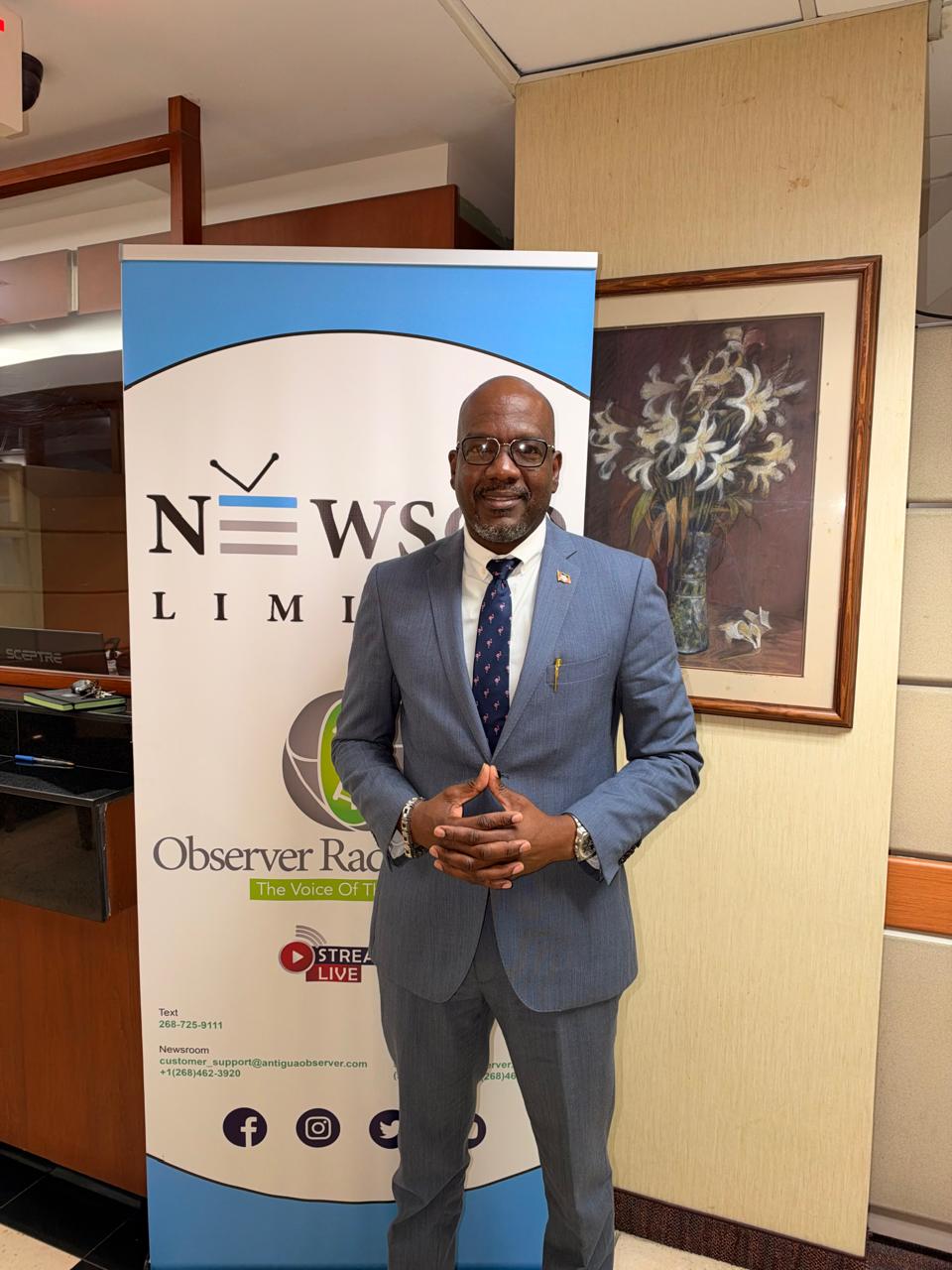
A proposal to extend secondary school hours to 3 p.m. will be the subject of stakeholder consultations in January, Education Minister Daryll Matthew has said.
Speaking on Observer AM, Matthew explained that the proposed change from the current 8 a.m.–1:30 p.m. schedule to 9 a.m.–3 p.m. is separate from an existing pilot programme that extends the school day for extracurricular activities.
He stressed that no final decision had been made and that teachers, the teachers’ union, the Transport Board and other stakeholders would have an opportunity to express their views.
Transport arrangements and the scheduling of school sports, which traditionally take place in the afternoon, are among the issues expected to be examined.
Matthew defended the government’s decision to publicly raise the proposal before consultations, arguing that the teachers’ union is an important partner in education but does not determine government policy.
He also challenged the notion that existing education arrangements should remain unchanged simply because they have been in place for years.
“We can’t sit and say, well, this is how it is and this is how it remains because this is how it has always been. That’s just simply not how societies develop,” he said.
The minister also addressed concerns about boys’ performance and participation in education, describing the issue as a complex challenge extending beyond Antigua and Barbuda.
He identified several possible contributing factors, including differences in how boys and girls learn, socialisation at home and the predominance of female teachers in the education system. He also suggested that traditional academic subjects may be less appealing to some boys, who tend to favour practical and technical learning.
Matthew acknowledged the widening gap in academic performance, noting that girls are advancing at almost every level of the education system.
He said regional examination data already provide insight into which subjects interest boys. The challenge, he said, is whether enough of those subjects are offered at sufficiently advanced levels to allow boys to pursue tertiary, technical and vocational education.
He pointed to further investment in the Harrison Centre and discussions with the University of the West Indies about offering programmes that may better engage boys.
Matthew also suggested that education pathways could be structured to allow young men to obtain higher qualifications in shorter periods, recognising that some want to enter the workforce earlier.
Matthew also highlighted opportunities for young people in the cultural and creative industries, pointing to the new Performing Arts Centre, developed from the former Deluxe Cinema.
He said the facility addresses a longstanding shortage of suitable performance space in Antigua and Barbuda and is one of the legacies of the country’s hosting of the Commonwealth Heads of Government Meeting (CHOGM).
Matthew said the centre could accommodate a range of performances, including theatre productions, musicals and orchestral events. However, decisions about its future use will rest with the facility’s management team.
Reflecting on CHOGM, he encouraged young people to recognise what Antigua and Barbuda can achieve through effective planning and cooperation.
He highlighted the business forum as an important part of the meeting, arguing that it created opportunities for investment and decisions capable of affecting livelihoods.
Matthew maintained that the education system must remain open to improvement, with consultation helping to determine which proposals move forward.
He said the objective is to develop a good, fully functional and relevant education system.

Consultations on proposed longer school day set for January