The government of Antigua and Barbuda is pursuing a comprehensive three-year prison reform programme aimed at strengthening rehabilitation, expanding vocational training and preparing inmates for employment and reintegration into society following their release.
Three Year Prison Reform
Superintendent of Prisons, Deputy Commissioner of Police Albert Wade, presented the proposed eight-pillar reform programme to Cabinet on Wednesday, outlining measures to improve the operational, rehabilitative and infrastructural aspects of the country’s correctional system between 2026 and 2029.
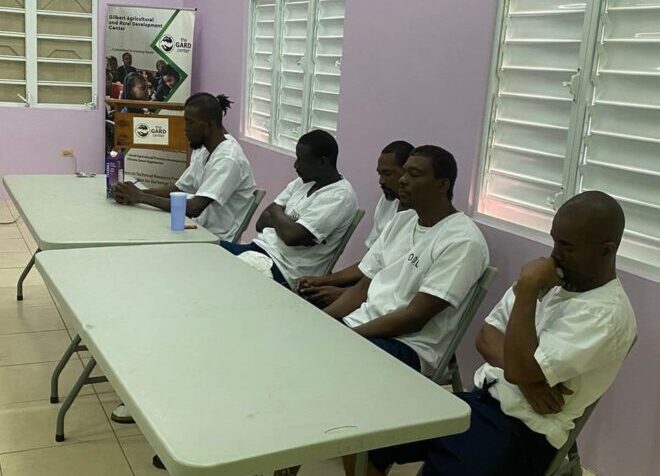
Director General of Communications in the Prime Minister’s Office Maurice Merchant said Thursday that greater emphasis would be placed on equipping inmates with practical skills through apprenticeships and other productive activities.
The government is looking to expand the existing HAPPI programme to provide more opportunities for prisoners to acquire skills that could help them secure employment and support themselves after serving their sentences.
Agriculture, maintenance and vocational training are among the areas identified for expansion.
Cabinet also discussed Rule 197 of the Prison Rules, which requires every sentenced prisoner to be engaged in useful work.
As part of the proposed reforms, authorities are considering increasing the number of inmates working at the prison farm from 12 to approximately 50, while also increasing the daily stipend paid to prisoners engaged in productive work.
The wider reform programme includes proposals to establish a parole system, explore alternatives to imprisonment and improve healthcare services for inmates.
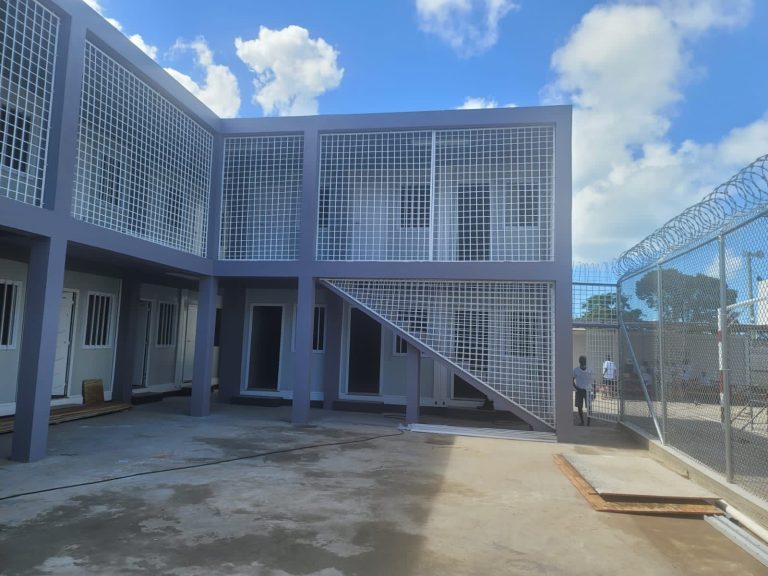
Cabinet has also instructed officials to advance plans for an additional correctional facility amid concerns about overcrowding and the safety of some buildings at His Majesty’s Prison.
The proposed reforms seek to move beyond confinement by providing inmates with structured opportunities for personal development and preparation for life outside prison.
Merchant said Wade is expected to submit a written proposal incorporating Cabinet’s recommendations before its next meeting.
The full implementation schedule and estimated cost of the reform programme have not yet been disclosed.
Source: Cabinet notes of Nov. 25 and post-Cabinet media briefing of Nov. 26, 2026.