Intensifies Efforts – By Deslyn A Joseph
Intensifies Efforts Combat Human
As human trafficking continues to evolve in its methods and manifestations, local authorities are pivoting toward proactive prevention as the primary tool in the fight against exploitation. This week, the Trafficking in Persons (TIP) Prevention Unit, in collaboration with the Task Force, is hosting a specialized awareness workshop designed to equip media personnel, labour inspectors, and non-governmental organizations with the skills necessary to identify and report potential cases of trafficking.
Alverna Inniss, Victim Care Coordinator with the TIP Prevention Unit, emphasized that in the current context, human trafficking has no singular face.
“The traditional indicators once used to identify victims are increasingly unreliable, as traffickers continuously adapt to evade detection. By educating frontline workers and members of the media, the Unit aims to create a more vigilant society without inadvertently providing traffickers with information that could help them further conceal their activities,” she explained.
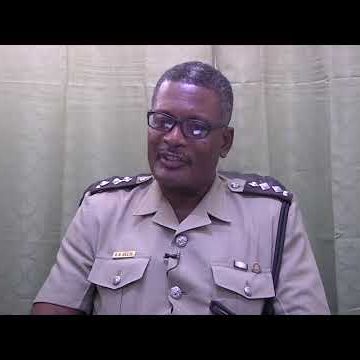
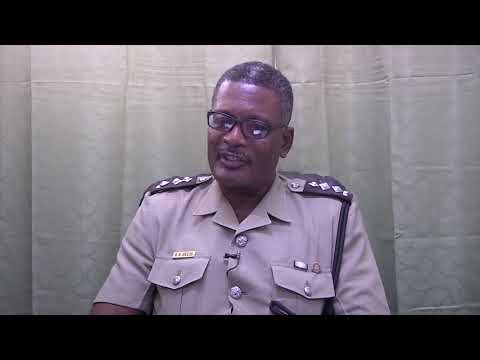
Superintendent Rodney Ellis, a member of the Task Force, noted that while the public often associates human trafficking with elaborate international crime rings, the reality in Antigua and Barbuda involves various forms of exploitation, including domestic servitude, forced labour, and, most prevalently, sexual exploitation. “The Task Force is now heavily focused on prevention strategies, working in tandem with the Immigration Department, the Defence Force, and the Coast Guard to identify potential victims before they can be exploited within the community,” he stated.
The upcoming workshop, scheduled to take place today from 9:00 a.m. to midday, serves as a critical bridge between law enforcement and the public. Participants will be trained to recognize subtle warning signs, such as individuals who do not socialize, lack freedom of movement, or patients who are accompanied by others who insist on speaking for them during medical visits. Both Inniss and Ellis stressed that the media plays a pivotal role in this ecosystem, as accurate, responsible reporting can guide the public on how to assist potential victims without sensationalizing their plight.
Authorities are also highlighting the comprehensive support systems available to those who have been exploited. Once a victim is identified, the state is committed to providing essential care, which includes housing, social services, and assistance with reintegration, such as vocational training or aid in establishing small businesses. For those who fear coming directly to law enforcement, Superintendent Ellis encouraged victims or concerned citizens to confide in a trusted individual, such as a pastor, teacher, or community leader, who can then relay the information to the appropriate authorities.
The TIP Prevention Unit continues to conduct ongoing outreach throughout schools and organizations across the twin-island state. Interested parties within the designated sectors of media, labour inspection, and non-governmental work who have not yet registered are encouraged to contact the unit immediately to secure a space in tomorrow’s session. Through this collaborative approach, officials hope to continue strengthening the nation’s capacity to protect the vulnerable and ensure that, ultimately, more lives are saved through early intervention.