Funding Cuts – By Kisean Joseph
Funding Cuts Force Caribbean
International funding cuts linked to geopolitical shifts have forced environmental organizations across the Caribbean to scale back operations, lay off staff, and restructure projects, according to a local conservation leader.
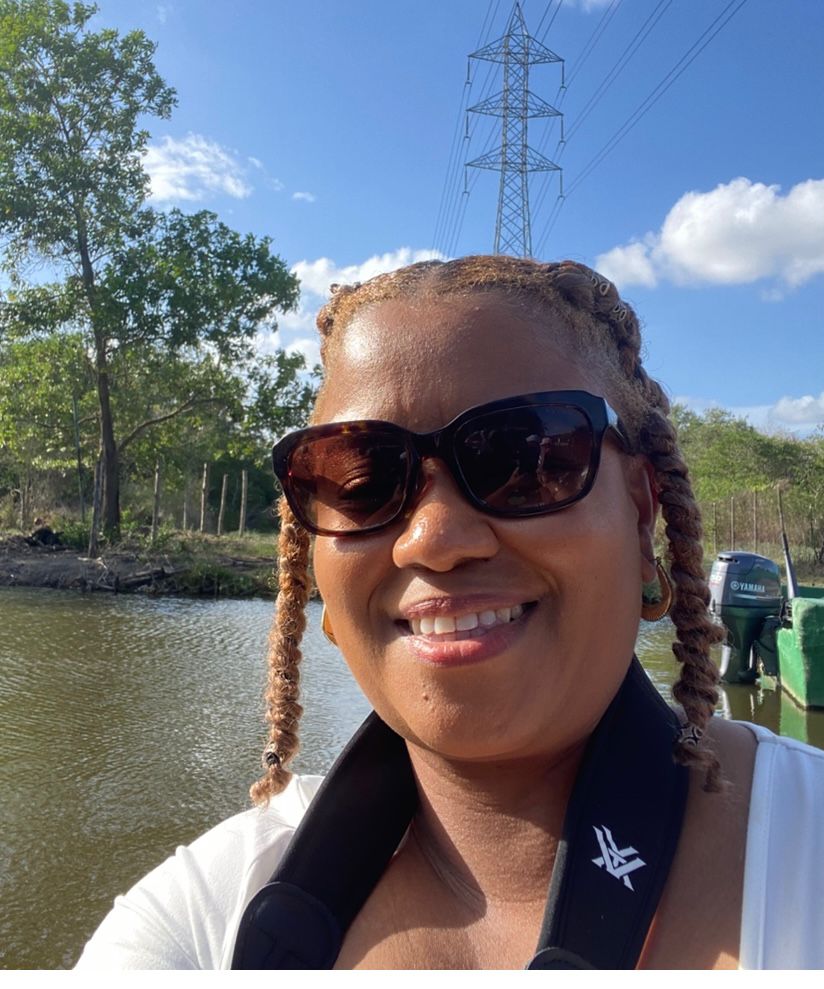
Vashti Ramsey-Casimir, Program Manager for Fauna and Flora in Antigua and Barbuda, said the organization’s Caribbean team faced significant challenges in 2025, including a loss of funding due to international circumstances.
“We had some funding that we lost as a result of the situation with the US. So that would have affected not necessarily the projects in Antigua, but the projects throughout the Caribbean, and so also affected our staffing,” she said.
The funding loss forced the organization to pivot its operations, with staff members like Ramsey-Casimir taking on expanded responsibilities across multiple countries.
“Some of my work has not just been in Antigua and Barbuda but has gone into supporting St. Lucia and all of these other organizations who are doing similar work here, because everybody is involved in biodiversity conservation,” she said.
While international organizations like Fauna and Flora have some financial reserves to weather funding cuts, Ramsey-Casimir warned that local and regional NGOs face far more severe consequences.
“I’m speaking as an international NGO, and it’s a lot worse on the ground here with local NGOs or local regional NGOs who do not necessarily have reserves, per sé,” she said.
She explained that Fauna and Flora’s international structure provides some cushion against funding losses, but many smaller organizations lack such safety nets.
“For many NGOs, it’s really just statutory funding, going after these things. And so, if these go, there’s absolutely nothing that they can do,” she added.
In response to the funding crisis, Fauna and Flora has shifted part of its focus to helping local conservation organizations build financial resilience and maximize limited resources.
“So, what we’ve actually come in and tried to do is support them with even organizational resiliency, supporting them to be able to manage whatever finances they have better, so that it stretches more, basically, for them to be able to achieve projects,” Ramsey-Casimir said.
She acknowledged that the approach will delay some conservation outcomes but highlighted that work continues despite the constraints.
“Yes, it may take a longer time for them to achieve that larger outcome. But at least there’s work still being done. And there’s that support that we’re still trying to offer,” she said.
The funding cuts have also forced the organization to scale back project scope or extend timelines to achieve conservation goals across the region.