Gender Affairs – By Jeressa Jeremy
Gender Affairs Deems 2026
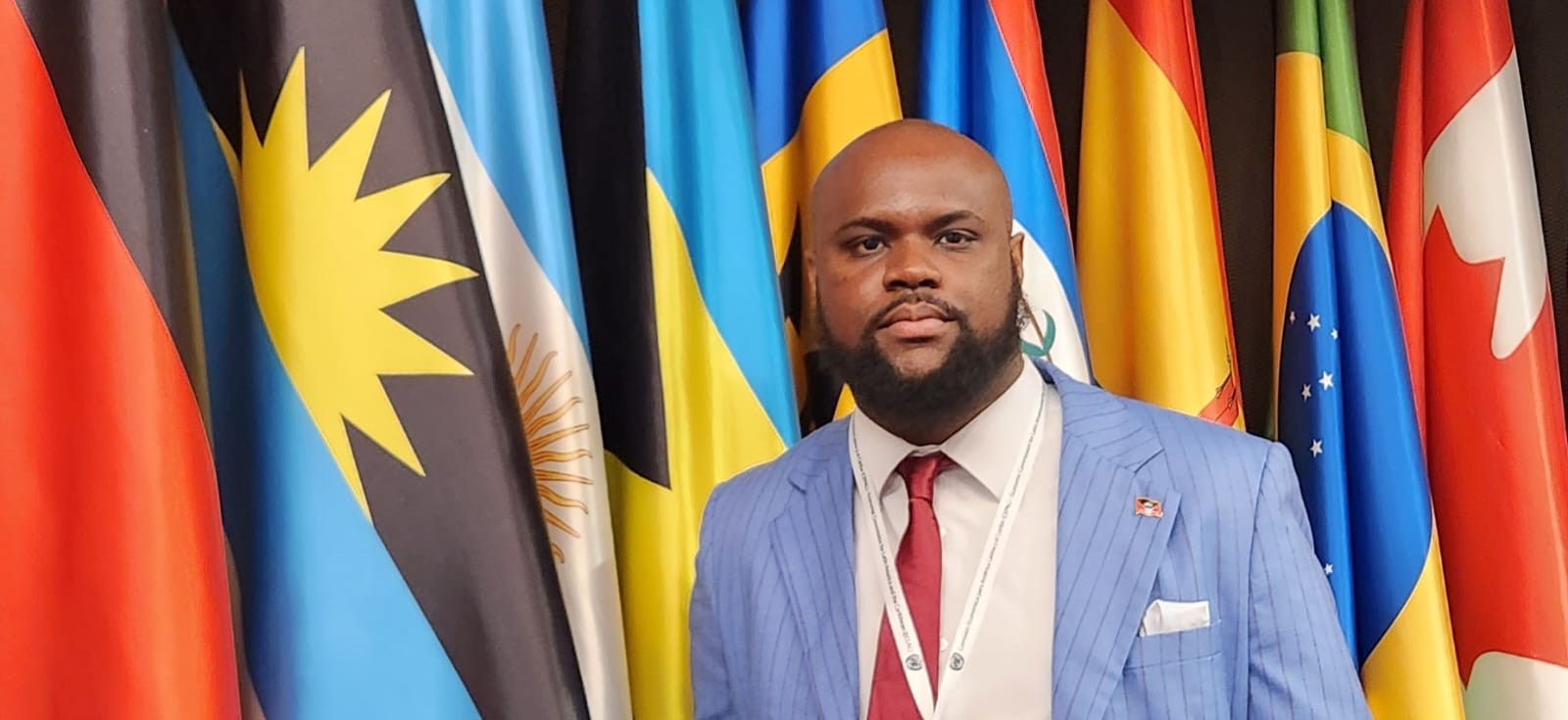
As the country prepares for the second round of consultations on the 2026 Workplace Harassment Bill on March 4th, Jamie Saunders, Executive Director of the Directorate of Gender Affairs, is calling the legislation a “major moment” and a “milestone” for Antigua and Barbuda.
The Bill aligns national law with standards set by the International Labour Organization (ILO)—a global body that ensures work is fair and safe. According to Saunders, the legislation demonstrates a commitment to “not shy away from what could sometimes be deemed controversial” by institutionalizing protections for all workers.
A key focus of the Directorate is ensuring the law keeps pace with modern technology. Saunders noted that workplace boundaries are no longer limited to the physical office, as professional interactions now frequently occur on social media, WhatsApp, and various messaging platforms.
“Many years ago, workplace harassment might have just been seen in a more one-dimensional way within the physical workplace environment,” Saunders stated. “Now there is social media, there’s WhatsApp, there’s text messaging, there’s iMessaging … all of these different forms need to also be taken into consideration.”
He emphasized that the bill will ensure “boundaries are in place” so that workers feel respected even when communicating digitally.
The Directorate’s Support and Referral Center has long documented reports of harassment where employers—in both the public and private sectors—lacked clear protocols. Saunders explained that the new bill shifts the country from a “reactive” model to a “proactive” one, requiring bosses to have systems in place to stop harassment before it starts.
“When we operate from a place of being a bit more proactive, I think it leads to a bit more organization,” Saunders said. “I think it gives the workers more confidence in the system, and I believe that overall it just bodes well for fostering a work environment more conducive towards the workers feeling respected; seen, as well as empowered.”
Saunders described the legislation as a “game-changer,” particularly for women and vulnerable groups. He noted that many workplace cultures remain “rooted in misogyny” or “patriarchy,” and that this law will “compel employers” to advance gender equality and fairness.
“It’s not easy to come into a workplace every day knowing that you are susceptible to being exploited or taken advantage of, or made to feel uncomfortable,” Saunders remarked, adding that the protections will have “significant implications in a very positive way” for the mental health of employees.
By holding those in positions of power accountable—a topic Saunders says some nations “tiptoe around”—Antigua and Barbuda is being positioned as a leader in the Caribbean.
“Regionally, we will be seen as one of the leaders in this, and hopefully other islands and countries will follow suit and begin to also adopt this type of legislation,” he concluded. The Director expects the bill to put the nation on par with global standards for workplace etiquette and safety once it is formally passed.