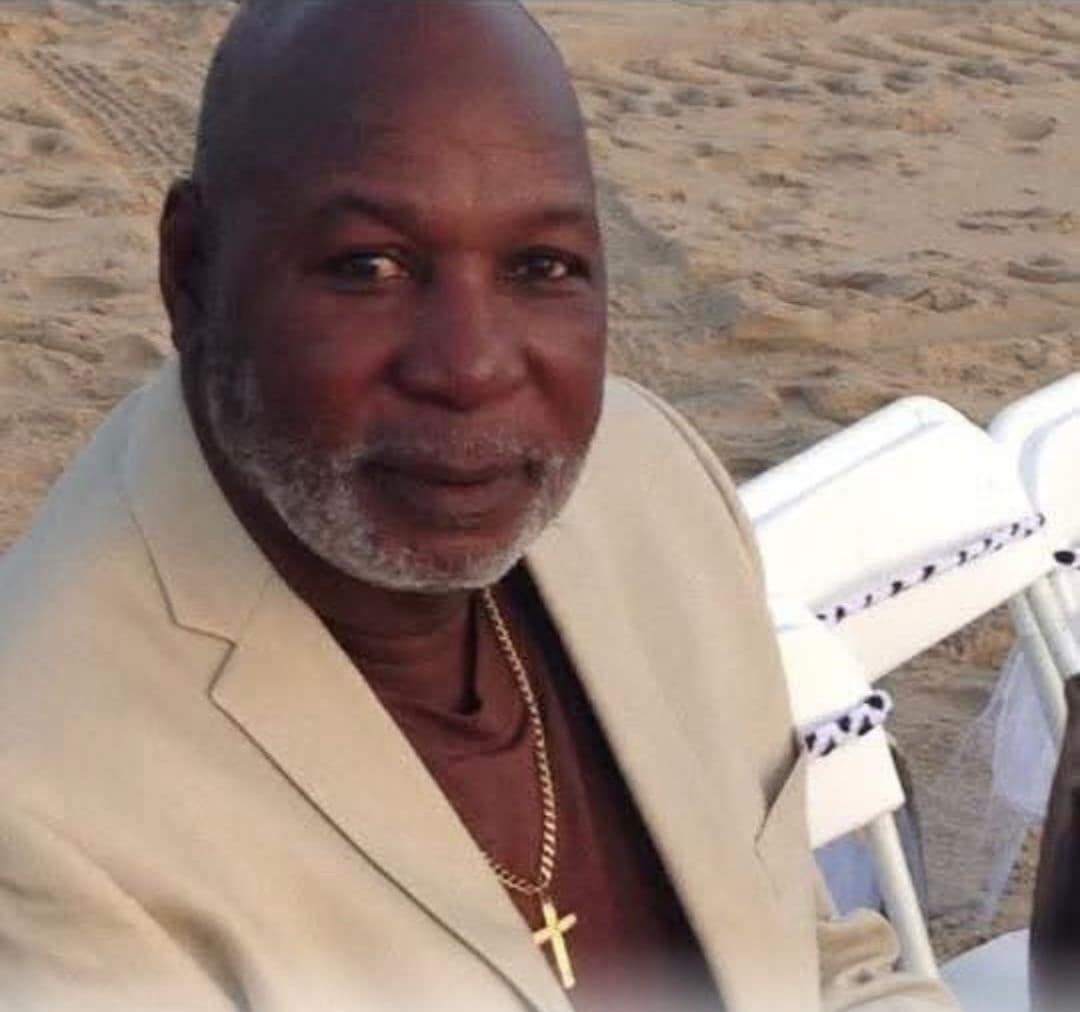
The killing of businessman George “Charlie” Barnes on Friday night has shaken Antigua and Barbuda. His death outside his Otters residence is not an isolated act of violence but part of a troubling pattern that has left the nation’s business community increasingly under siege.
In recent weeks, the island has witnessed a series of robberies, burglaries, and armed attacks targeting entrepreneurs and professionals. Businessmen have been assaulted at ATMs, stripped of cash in public view, and left injured by masked assailants. Small shops, gas stations, and bakeries have also suffered. The consistency and boldness of these crimes suggest something more serious than sporadic lawlessness: a growing trend that undermines both public safety and national confidence.
This escalation carries profound consequences. Entrepreneurs and business owners are not only private citizens—they are the backbone of Antigua and Barbuda’s economy. They provide jobs, drive investment, and keep local commerce alive. When they are singled out, the risks extend well beyond individual loss. Fear erodes trust in the security environment, discourages investment, and casts doubt over the island’s reputation as a safe destination for tourism and foreign capital.
The government has acknowledged the crisis. Prime Minister Gaston Browne announced plans to install 200 surveillance systems and has introduced harsher penalties for violent crime. Citizens, however, are demanding more immediate measures: a stronger and more visible police presence in vulnerable areas, proactive investigations, and the assurance that justice will be swift.
What is at stake is not only the safety of business leaders but the stability of Antigua and Barbuda’s social and economic fabric. The nation cannot afford to let criminal violence become the new normal.
Friday’s tragedy should be a turning point. Whether it becomes one depends on the resolve of authorities to restore security and the confidence of a shaken public.