SOURCE: BARBADOSTODAY- University of the West Indies principal warned on Friday that Caribbean governments risk triggering dangerous political backlash and threatening democratic stability unless they confront public anxieties head-on while rolling out the region’s most ambitious free movement agreement to date.
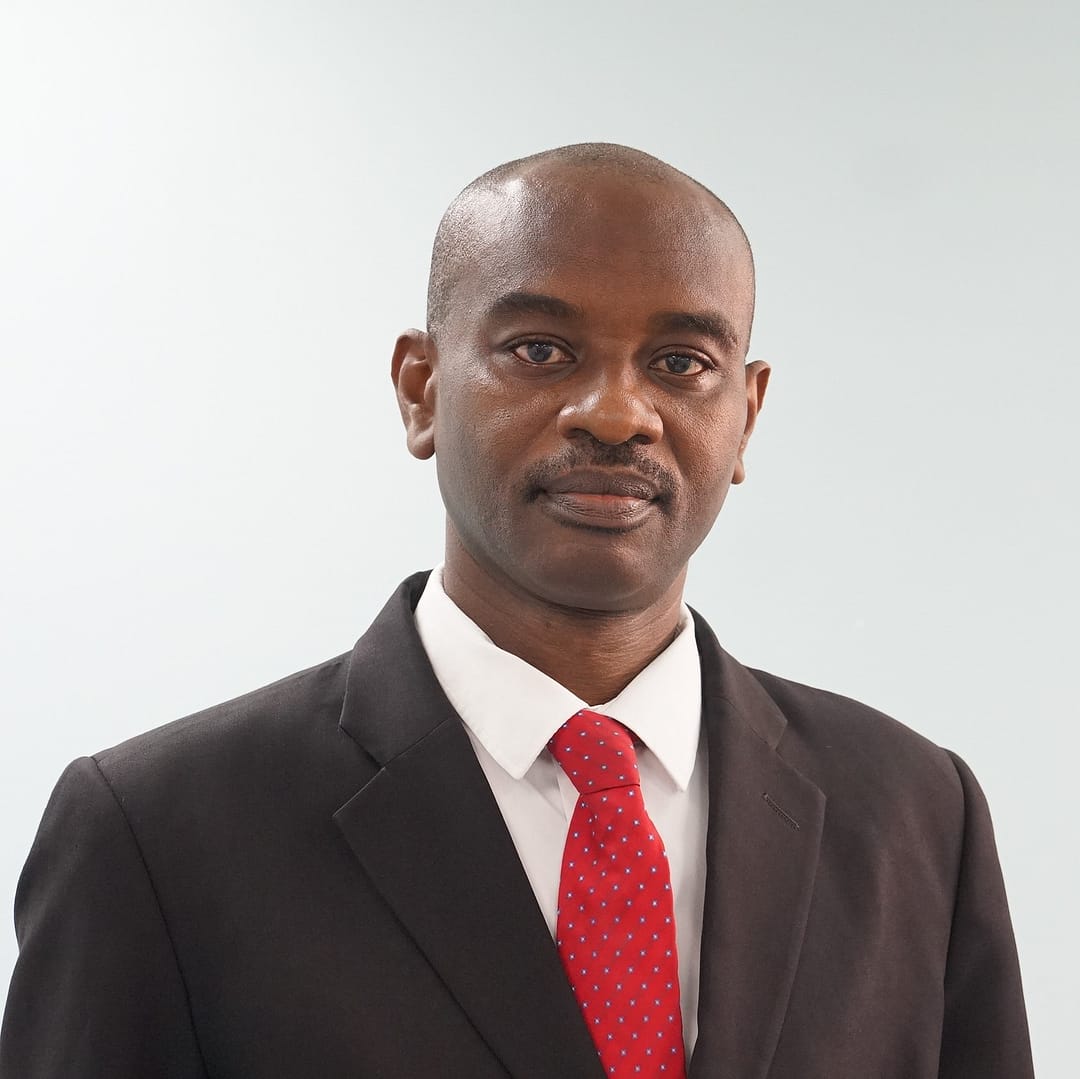
Professor Justin C Robinson, who leads the Five Islands Campus of the University of the West Indies in Antigua, cautioned that while free movement offers genuine economic promise for participating nations struggling with demographic challenges and skills shortages, lessons from the United States and Europe suggest that success hinges on managing what he called uneven effects.
In just days, Barbados, Belize, Dominica, and St Vincent and the Grenadines will make history by launching the most ambitious labour mobility initiative in the region’s modern era.
Under the arrangement, citizens of the four countries will be granted reciprocal freedom to live, work and access basic services without work permits or residency requirements.
Professsor Robinson said the bottom line is that “global experiences provide clear warnings: migration policies that ignore distributional impacts and fail to manage public perception risk generating political backlash that can undermine not just the policies themselves, but democratic stability more broadly.”
Success will require Caribbean leaders to go beyond economic arguments and actively address the infrastructure, employment, and social integration challenges that have derailed migration policies elsewhere, he told Barbados TODAY.
He said: “The stakes extend far beyond labour markets – they encompass the future of Caribbean regional integration and the resilience of the region’s democratic institutions.”
The professor of finance said the four-nation free movement initiative, emerging from the CARICOM Enhanced Cooperation Protocol, represents a bold step towards regional integration that could serve as a model for similar efforts globally.
“Yet, as the launch date approaches, the experiences of the United States and Europe offer both cautionary lessons and strategic insights for Caribbean policymakers determined to avoid the political backlash that has swept across both continents,” he said.
Professor Robinson argued that, in spite of this, the Caribbean initiative is launching against a backdrop of profound migration-related political upheaval in the world’s most developed regions.
He referred to recent elections across Europe where farright parties made significant gains by capitalising on antiimmigration sentiment. In the United States, migration policy has become “perhaps” the most polarising political issue of the era.
The campus head said that the consequences of poorly managed migration are “remarkably” consistent: “It undermines confidence in government, provides significant fuel to nativist politicians, and creates an economically negative backlash against legal migration.”
He advised the Caribbean to learn from these experiences to avoid similar pitfalls.
According to him, the European experience reveals how cultural and economic integration challenges can spiral into broader social tensions, while “in Europe, a society based on Judeo-Christian foundations” has struggled with large numbers of Muslim migrants, “creating parallel societies and, in some cases, social friction”.
The finance professor pointed out that while Caribbean nations share closer cultural ties, economic disparities between participating countries could create similar pressures.
He said the key insight from global migration experiences is that benefits and costs are rarely distributed evenly – either geographically or economically.
The UWI academic indicated that in both the US and Europe, migration has often benefited urban, educated populations and employers seeking labour, while imposing costs on working-class communities and regions with limited infrastructure.
Professor Robinson warned: “This dynamic is emerging in Caribbean discussions. While business leaders welcome skilled workers, some noted that ‘while skilled labour is needed, there should be a balance to ensure Belizeans are not excluded from available opportunities’.
The opposition United Democratic Party (UDP) raised concerns about job competition and infrastructure strain, with UDP Senator Patrick Faber, a former education minister, warning that ‘the government cannot take care of the existing citizenry of this country, and now they will bring people for us to take care of them’.”
He argued that the infrastructure question is particularly acute where small island states with limited housing, healthcare facilities, and educational capacity could face significant pressure if migration flows are substantial and concentrated.
“Unlike larger countries that can absorb migration more easily, Caribbean nations must plan carefully for even modest population shifts,” Professor Robinson said.
According to the UWI professor, a critical but often overlooked dimension involves integration of financial systems: “If a Dominican citizen moves to Barbados, can their Barbados bank consolidate their Dominica mortgage?
Can they freely transfer money between countries to pay bills, or will their Barbados employer be able to deposit salaries directly into their home country account?
These practical financial integration issues could determine whether free movement truly works in practice or remains constrained by bureaucratic friction.
The devil is often in such details.”
He noted that the Caribbean initiative has several advantages that, if properly leveraged, could help it avoid the pitfalls that have plagued migration policy elsewhere.
Prof. Robinson identified cultural affinity as one such advantage.
He reasoned that, unlike the religious and cultural divides that have complicated European integration, CARICOM nations share colonial histories, languages, and cultural practices that should facilitate smoother social integration.