By Sharon N. Simon
[email protected]
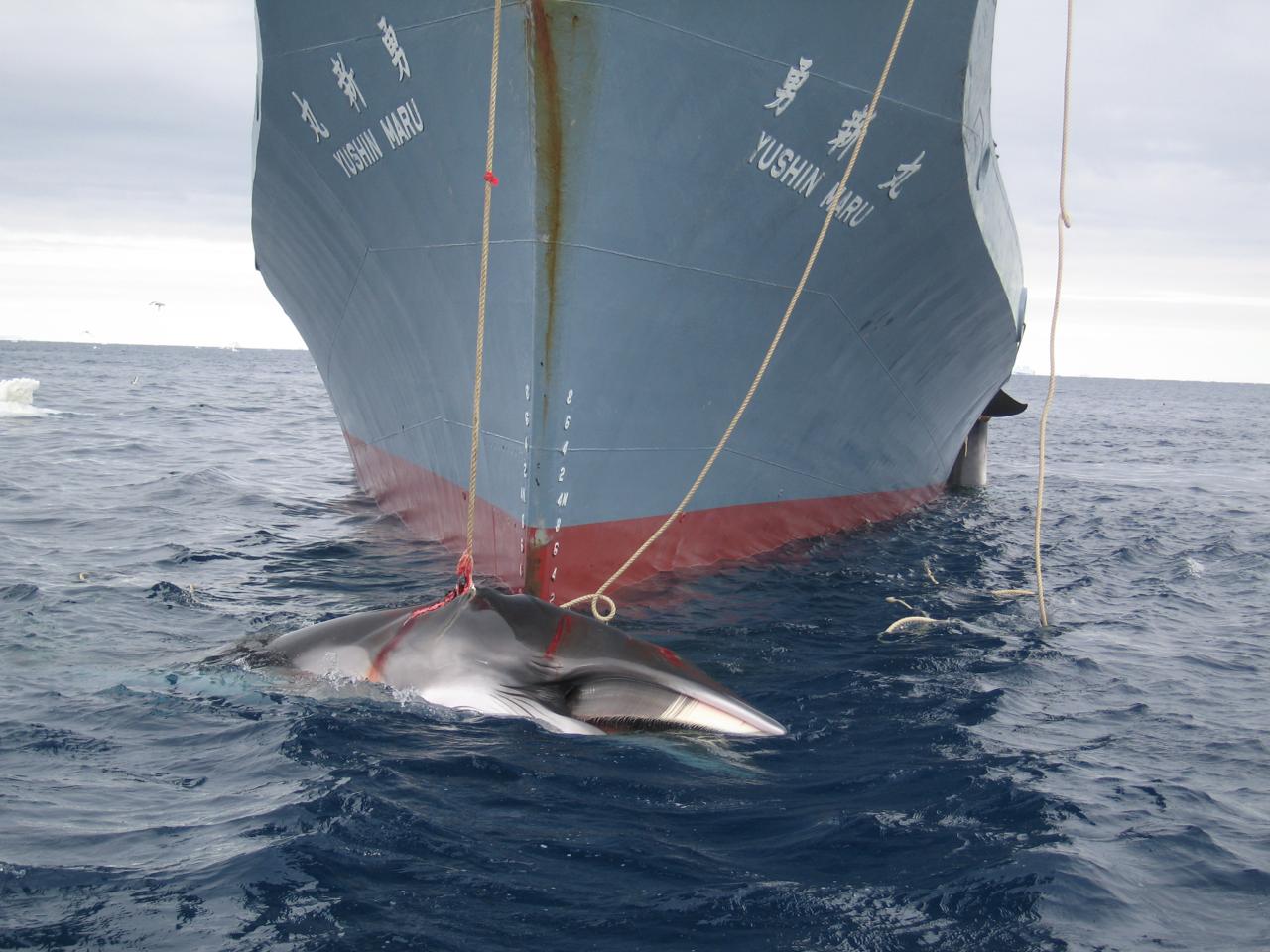
Eleven local environmental groups have written to Prime Minister Gaston Browne, requesting that the government abandon its support for lifting the global ban on commercial whaling ahead of a key international meeting in September.
The letter, sent on 24 July, was coordinated by a coalition whose member organisations, including Greenpeace, represent more than five million people. A separate letter signed by 22 international conservation organisations, including Switzerland-based OceanCare, was sent to Browne the same week.
The appeals came ahead of a 30 July deadline for countries to submit resolutions to the International Whaling Commission (IWC), which holds its 70th meeting in Hobart, Australia, from 27 September to 2 October. Antigua and Barbuda introduced resolutions aimed at lifting the 1986 moratorium on commercial whaling at each of the IWC’s last two meetings. Neither passed, but the country’s representative pledged in 2024 to try again at the Hobart meeting.
The push is backed by new survey data. A poll of 508 residents, conducted by CoreConsult Inc. for the Ocean Trust between 26 May and 3 June, found that 64 per cent of Antiguans and Barbudans oppose commercial whaling, while 68 per cent were unaware their government supports lifting the ban at the IWC. Sixty per cent said they opposed the country submitting a resolution that could lead to whaling’s resumption, and 62 per cent said the position could damage the country’s international reputation.
The timing is sensitive. Antigua and Barbuda is to host the Caribbean Blue Economy Summit in October and the Commonwealth Heads of Government Meeting (CHOGM) in November, both bringing global attention to the twin-island nation.
The government has pushed back on the findings. IWC Commissioner Daven Joseph questioned the scientific credibility of the survey and defended the country’s position, according to Island Press Box. The owner of CoreConsult Inc. confirmed the survey was scientifically sound, with a 95 per cent confidence level for a population of approximately 100,000 people and a sample of more than 500 respondents. OceanCare called the government’s defence “misleading”, rejecting in particular its characterisation of Japan’s commercial whaling as sustainable.
Antigua and Barbuda’s pro-whaling stance has long been tied to its relationship with Japan. Asked in 2024 whether the country’s position was linked to Japanese financial support, Commissioner Joseph pointed to more than US$200 million in assistance received over two decades, asking: “Is that wrong?”
The coalition said the campaign has drawn heavy local media attention, with numerous requests for interviews and broadcast appearances following the letters’ release. It said it hoped the pressure would stop the government from submitting a new pro-whaling resolution at Hobart. Despite the requests, the Government of Antigua and Barbuda submitted the resolution, with the country’s name at the top and centre of the document. There is concern that this could have ramifications for the tourism industry if Antigua and Barbuda is seen as the main country that took action to reintroduce commercial whaling.
The environmental groups are continuing their efforts to discuss the matter with the Government of Antigua and Barbuda in the hope that the resolution may be withdrawn. Martha Watkins-Gilkes, representing one of the groups in the coalition, said on Observer AM on Wednesday: “We are 11 Antigua and Barbuda environmental organisations, all grassroots people across the country working in our different ways to make our island paradise a better country and protect our natural resources for generations to come. In the past, our Prime Minister has taken bold environmental steps to be a trailblazer in environmental protection. We hope our Honourable Prime Minister Gaston Browne will demonstrate that the country is playing its part to protect the oceans of the world by protecting the whales of the world and saying no to commercial whaling.”

Environmental groups urge withdrawal of pro-whaling resolution