Former Shares – By Sharon N Simon
Former Shares Insights Duty
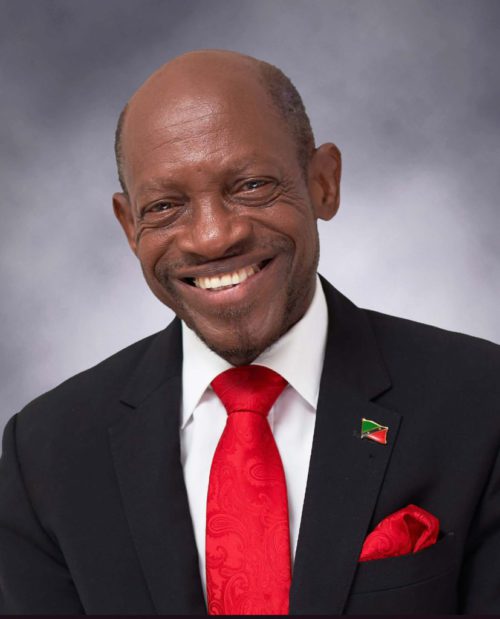
Following a definitive electoral shift, the line between a mandate and entrenchment can often blur. For Dr. Denzil L Douglas, the former four-term Prime Minister of St. Kitts and Nevis, the current political landscape in Antigua and Barbuda requires more than just governance—it requires a profound “masterclass” in reflection.
Speaking on Observer AM, the veteran statesman offered a stark set of directives for both the dominant ruling party and the parliamentary opposition. His message was clear: legitimacy is not a static trophy, but a living dialogue with the electorate that must be constantly renewed.
For a dominant government, Dr. Douglas argued that the true measure of leadership is the ability to correctly interpret the message of the voters. He noted that a leader must judge their endorsement by comparing current polling results to previous ones to determine if their mandate has strengthened or weakened.
“A leader must not see himself as a demigod or a full-blown dictator,” he cautioned, warning against the psychological trap of longevity. Instead, he suggested that a high level of support should move a leader to be “more invigorated and enthused” to deliver on campaign commitments.
The ultimate act of reflective leadership, he said, is contemplating the right time to leave. He urged the ruling administration to prioritize the “grooming” of successors to ensure national stability and party continuity, stating that the decision of when to exit is among the most critical a leader will ever make.
Meanwhile Dr. Douglas reserved equally stern advice for those on the opposition benches, asserting that “democracy must not die because of the numbers.” Drawing from his own experience of entering government in 1995 after previously holding only two seats, he reminded minority parties that even a single parliamentary voice represents the aspirations of thousands.
To move beyond a state of “stagnation,” he advised a defeated opposition to conduct a “deep-dive analysis” of their messaging and leadership. He proposed a strategic pivot: engaging credible, non-affiliated experts to provide the intellectual capital and fresh ideas necessary to challenge the government effectively.
As Antigua and Barbuda prepares to host the Commonwealth Heads of Government Meeting (CHOGM) this November, Dr. Douglas’ call for reflective leadership takes on added urgency. It is precisely at moments of international visibility that the quality of a nation’s democratic culture is most closely observed, he said.
However, he encouraged both the government and the citizenry to view CHOGM as a “tremendous opportunity” to showcase national policies and aspirations. But that opportunity, he implied, can only be fully seized by leaders and institutions that have done the hard internal work—knowing where they stand, what they represent, and where they are going.
By performing with “energy, focus, and attention” during this period, the veteran politician believes the nation can secure a legacy that outlasts the summit itself. The world will be watching, and Antigua and Barbuda’s democratic health, shaped by the very reflections he calls for, will be part of what it sees.