Gard Center – By Kisean Joseph
Gard Center Pushes Inclusive
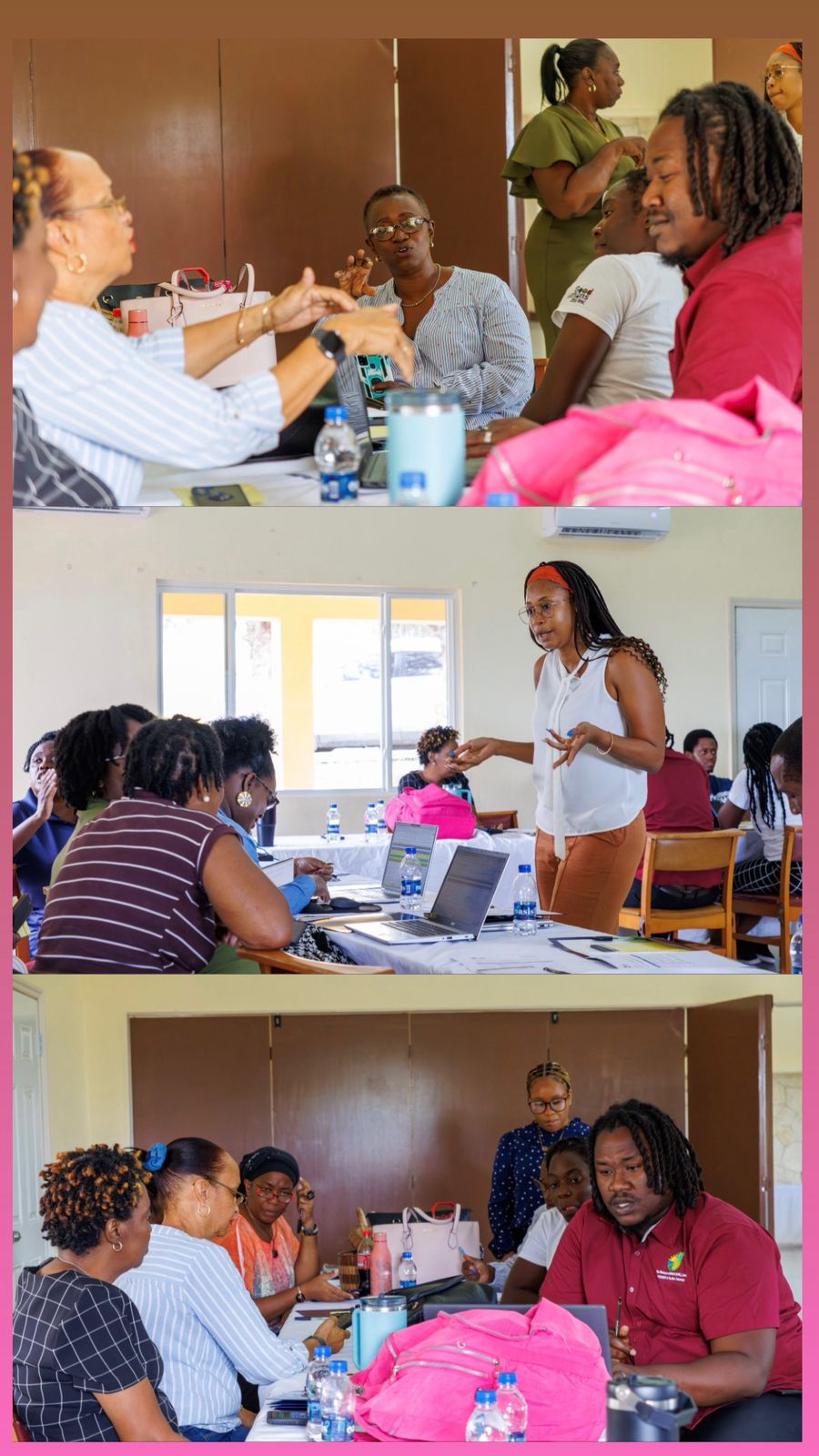
The Gilbert Agricultural and Rural Development Center (GARDC) is working to ensure that small-scale farmers, fishers, and persons with disabilities have a real say in how Antigua and Barbuda manages its biodiversity, instead of just having a seat at the consultation table.
Director June Jackson said the center’s outreach goes beyond workshops, with ongoing training and capacity-building sessions designed to bring vulnerable groups into the country’s National Biodiversity Strategy and Action Plan (NBSAP).
“GARD Center continues to do its longstanding outreach to various groups through our training, capacity building sessions,” Jackson said, adding that collaborations with partner organizations such as IICA and CARDI help extend that reach.
The initiative is backed by the United Nations Development Program and the Government of Canada. However, according to Jackson, when that funding cycle ends, the work will not stop as sustainability is built into every project proposal the center submits.
Jackson also addressed the role of gender in biodiversity conservation — a connection that may not be immediately obvious to the public. She said that women are among the most important stewards of biodiversity, yet their contributions are frequently overlooked.
“Women are also stewards of biodiversity. They benefit from biodiversity. But sometimes their contribution and impact is most times underrepresented,” Jackson noted.
The GARD Center’s approach draws on the Kunming-Montreal Biodiversity Framework, adopted under the Convention on Biological Diversity, which calls for a whole-of-society approach to conservation — meaning that governments alone cannot bear the responsibility.
On the question of enforcement gaps in existing environmental legislation, Jackson said responsibility must be shared across the board — from regulatory agencies such as the Fisheries Division and the Department of Environment, to consumers and community members alike.
“It is not a one-person sharing. It is a sharing between us as stakeholders, partners, and ministries, as well as the beneficiaries or consumers on the other end,” she said.
She pointed to closed fishing seasons as one example where community compliance is just as critical as government enforcement, warning that restaurants serving protected species out of season are in breach of existing rules.
Looking ahead, Jackson said the center plans to roll out a match-making mechanism — a system that connects local groups, civil society organizations, and community bodies with funding and technical resources suited to their needs. Stakeholder mapping will form a core part of that process.
“These are going to be included in the reporting that we do. So we would know then that these are the persons and these are their needs,” Jackson explained.
She closed with a direct appeal to the public, urging stakeholders to respond to surveys and engage with center volunteers when contacted — saying that information gathered before the end of June will be critical to the program’s final report.