Happi Programme – Observer News Desk
Happi Programme Faces Mounting
Hundreds more homes are needed to improve living conditions for vulnerable residents across Antigua and Barbuda as demand continues to outstrip the HAPPI programme’s available resources, Social and Urban Transformation Minister Rawdon Turner has said.
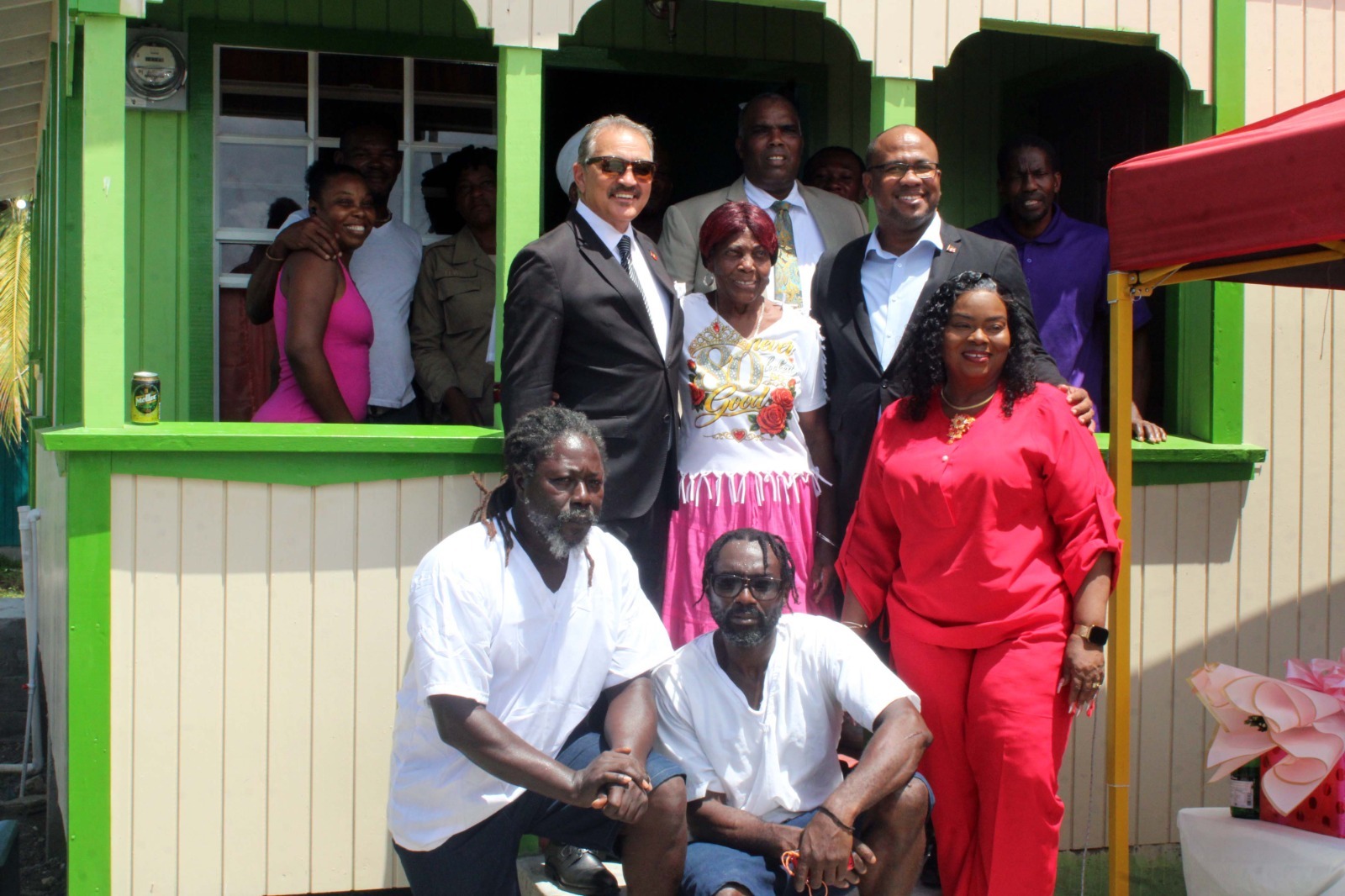
Speaking at a home-handover ceremony in All Saints on Tuesday, Turner said the programme had constructed and delivered 190 homes, but many families remained in difficult circumstances and urgently needed help.
He appealed for patience from applicants, saying delays were largely caused by limited manpower and resources as well as the large number of requests for assistance.
“When you apply to the Social Protection Board and an inspection is done, but you don’t hear from them for a while, it is not that we have forgotten you. It is not that we don’t care,” Turner said.
“It is a manpower issue and an issue with the availability of resources.”
The minister said the government continued to support the programme, but widespread pockets of poverty and inadequate housing meant every application could not be addressed immediately.
He said the urgency of the problem was recently reinforced during a conversation with Antigua and Barbuda Association of Persons with Disabilities President Bernard Warner, who had been advocating for a member living in extremely difficult conditions.
Turner acknowledged that many other applicants were enduring similarly distressing circumstances while awaiting assistance.
“We are doing our best,” he said. “There are so many pockets of poverty in different areas of the community that we need to address, and it is going to take some time.”
The ministry is exploring ways to speed up construction, including the use of prefabricated homes to complement the work of the HAPPI team and the Social Protection Board, Turner said.
He also defended the involvement of inmates from His Majesty’s Prison in the construction programme, describing their participation as an important part of rehabilitation.
While acknowledging public concerns about inmates working outside the prison, particularly those related to security, Turner said rehabilitation should include community service, skills training and opportunities for offenders to contribute positively to society.
“A part of their rehabilitation should be giving back to society. A part of their rehabilitation should be community service, and a part should be learning a skill so that, when they leave, they are better able to contribute positively,” he said.
Turner said he had met former inmates who learnt carpentry and other construction skills through the HAPPI programme and later secured employment after completing their sentences.
Those successes showed that the programme not only provided homes but also equipped inmates with practical skills and gave them a better opportunity to rebuild their lives, he said.
Turner urged residents to support the HAPPI team and the Social Protection Board as they worked through the backlog of applications.
“Without the support of the public, we will not be able to lift people out of the living conditions they are in,” he said.
He also congratulated the sisters who received their new home in All Saints and encouraged them to cherish and maintain the property.