Proposes Higher – Algernon Watts
Proposes Higher Taxes Idle
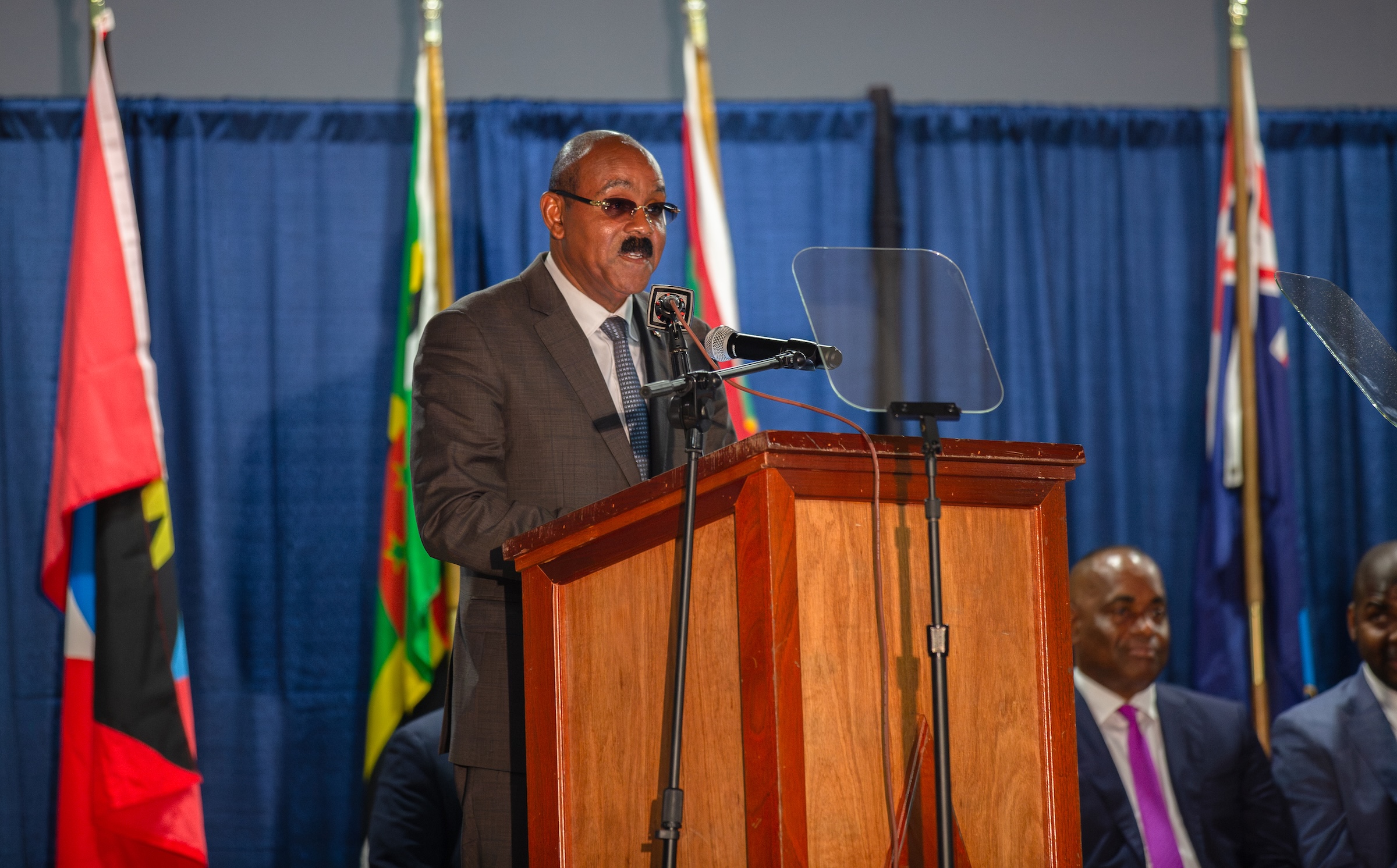
Prime Minister Gaston Browne is proposing higher property taxes on large tracts of idle agricultural land to push more acreage into production, but the proposal comes against a backdrop of longstanding problems that farmers say make it difficult to produce even when land is available.
Browne said the government has been advised that property taxes could be increased on substantial amounts of unused land to encourage owners to put those properties to productive use.
He stressed that the proposal remains a matter for discussion and has not been adopted as government policy.
Browne said the intention would not be to impose taxes at a level that could cause landowners to lose their property, but rather to create enough financial pressure to encourage them to generate income from land that is being left fallow.
“If, for example, we had a more reasonably priced property tax, then they [would] probably [start] thinking about increased production to make sure that they cover their property taxes,” he said.
But the suggestion raises a broader question about whether unused land is itself the main obstacle to increasing agricultural production.
Farmers and agricultural specialists have repeatedly pointed to more fundamental constraints, particularly the chronic shortage and high cost of water.
Earlier this year, agriculture experts warned that prolonged drought, scarce water resources and rising fertiliser costs were already threatening local food production. Irrigation specialists said the lack of rainfall was making it difficult for farmers to maintain production and warned that, without reliable water, some commodities could become increasingly scarce.
The government itself has acknowledged the severity of the problem.
In June, Cabinet described access to affordable and reliable water as “one of the most significant challenges” facing agriculture and said new dams and catchment systems were needed to reduce farmers’ dependence on costly desalinated water.
Farmers also face financial pressures.
Agricultural specialist Owolabi Elabanjo said in July that farmers effectively finance months of production themselves before receiving any return and called for greater access to low-interest financing. He also pointed to problems obtaining crop varieties suited to Antigua’s increasingly hot conditions.
Other concerns raised over time include the cost of inputs, access to markets, storage and distribution, praedial larceny and the difficulty of maintaining consistent supplies that can compete with imported produce.
Those challenges complicate the argument that simply putting more land under cultivation would automatically result in greater production.
Browne nevertheless argued that owners of large parcels of suitable agricultural land should be doing more, particularly in livestock, fruit and vegetable production, rather than allowing significant acreage to remain unused.
He said the proposal was not intended to target any specific family.
The pressure to increase local production is growing as Antigua and Barbuda remains heavily reliant on imported food. Browne said the country imports more than a quarter of a billion dollars’ worth of food products annually.
The challenge for policymakers may therefore extend beyond getting idle land into production to ensuring that farmers who do cultivate it have the water, labour, financing and infrastructure necessary to keep producing.