Educators and academics are making a compelling case for the steelpan yard as one of the most powerful — and underutilized — tools for youth development in Antigua and Barbuda, arguing that the space does far more than produce music.
Panyard Hailed Vital Space
The call came during a discussion on Observer AM, where steelpan educator and arranger Dr Zahra Lake, professor of music Dr Andrew Martin, and pan mentor Gavin Francis spoke candidly about the social, emotional, and civic benefits the panyard offers young people — benefits which they say are not being fully recognized or supported.
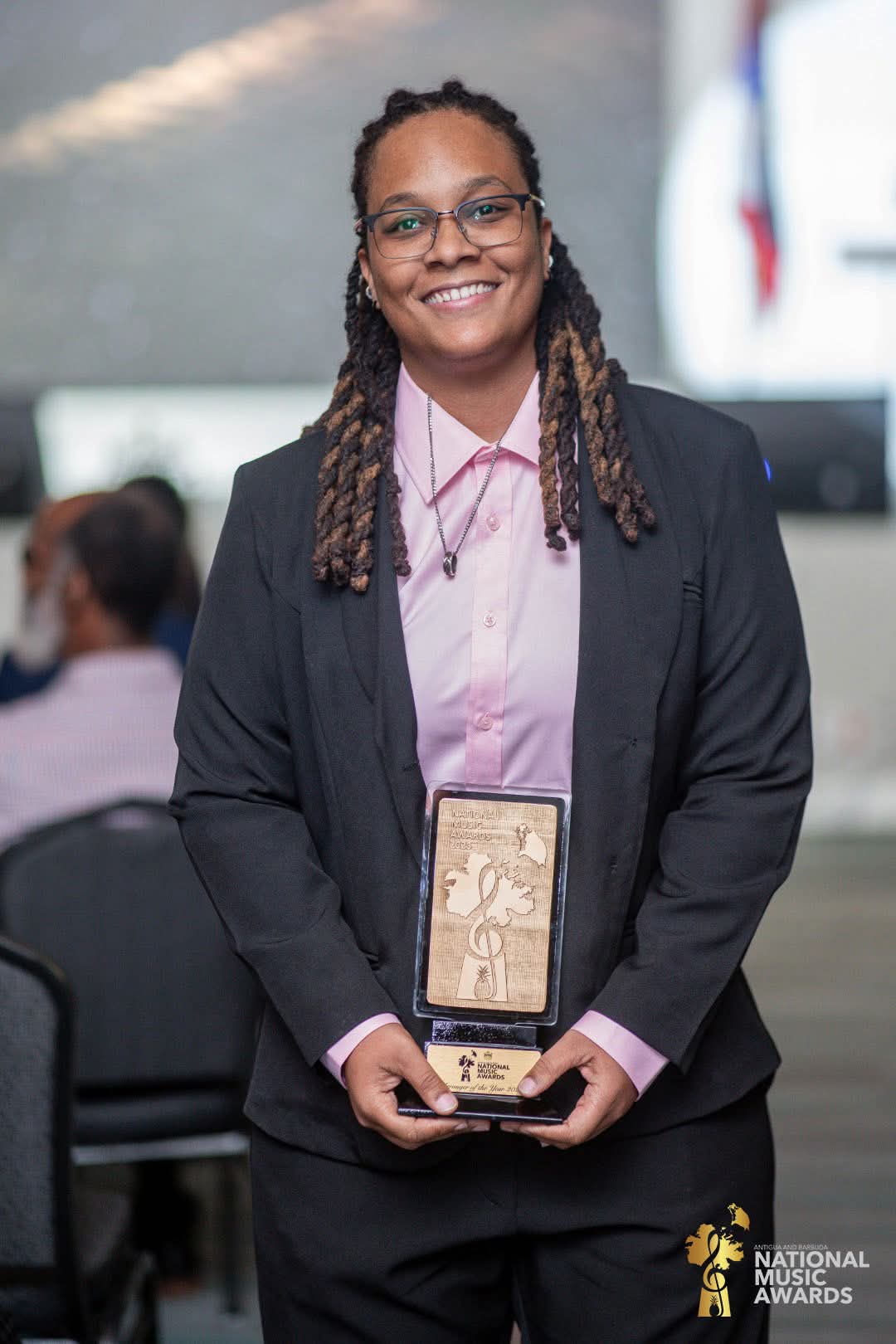
Dr Lake, the musical director of Pandemonium Steel Orchestra and the first woman to win Antigua and Barbuda’s National Panorama, described the panyard as a transformative environment where young people learn to collaborate across backgrounds, develop personal discipline, and engage in culturally grounded learning that the formal education system rarely provides.
“When you are in the panyard, it does function as a transformative space as we are all working towards one main goal,” she said. “You see a lot of personal growth, a lot of community building, and a lot of culturally responsive learning — which is very important because there aren’t a lot of spaces inside of our education system where we do a lot of culturally relevant teaching.”
Francis, who runs the after-school pan programme at the Antigua Girls’ High School, said the transformation in students — particularly those with limited experience in group or social settings — was visible almost from the outset.
“Sometimes when the students come, you can tell they may not have had experience in a group setting,” he said. “Just seeing the transformation little by little as they get into the environment, learning the expectations, the do’s and don’ts — the transformation and change is amazing to see.”
Beyond individual development, Francis connected the conversation to the broader social climate in the country, pointing to what he described as a heartbreaking week of incidents affecting the nation. He argued that creative spaces like the panyard were not a luxury but a necessity.
“We need these spaces and the encouragement and support of society to really keep our children culturally grounded, socially grounded, morally and ethically grounded,” he said, adding that the panyard also served as a space for innovation, problem-solving, and exposure to practical trade skills, including welding, painting, logistics, and marketing.
Dr Martin, who has documented Caribbean musical traditions for regional and international publications and is the author of Steel Pan Ambassadors, said the case for year-round programming rested not just on keeping students occupied, but on the developmental power of routine and belonging.
“The need or the void that the panyard fills for the student doesn’t go away,” he said. “Once that festival or that competition is done, there’s this void in the student, and now there’s an opportunity for them to fall back into some of those little habits or to maybe go off into some of those other negative areas. That regularity of routine is really quite important.”
Dr Martin also broadened the idea of the panyard beyond a single physical location, describing it as any space — a school music room, a church hall, a community band — where culturally responsive learning takes place. He argued that expanding such spaces throughout the school year could meaningfully address youth needs across communities.
All three guests called on parents, corporate bodies, and government to move beyond seeing steelpan as a seasonal activity tied to panorama or Carnival, and to invest in sustaining programs throughout the year.
Dr Lake said the resources and the willing educators already existed — what was needed was a shared understanding of the mission.
“We all, as a community, as a society, need to understand the importance,” she said. “We need to understand the mission so that we can create programmes that are sustainable throughout the year.”