Two Antiguan – By Kisean Joseph
Two Antiguan Students Reflect
Two young Antiguans taking part in a prestigious regional science and engineering programme said the experience has already reshaped their outlook on STEM, university and discipline.
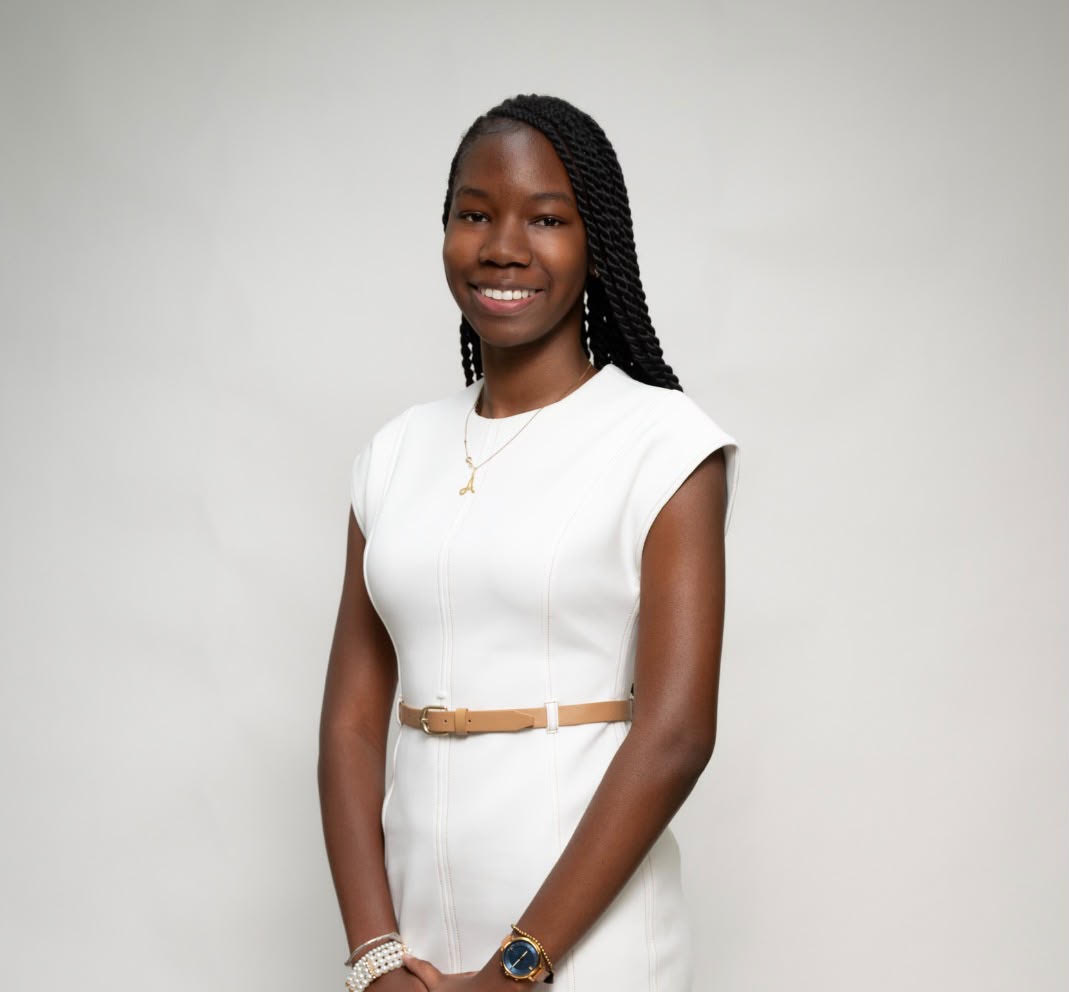
Ajenai Charles and Kha-lique Harris are among 18 students selected for the 2026 Student Programme for Innovation in Science and Engineering (SPISE), run by the Caribbean Science Foundation. The pair, both graduates of the International Baccalaureate Diploma Programme at Island Academy International, are currently completing the residential portion of the five-week programme.
Charles said what surprised her most is the sense of community among participants, rather than the competitiveness she had expected.
“The community portion and the relationships that have been formed amongst my cohort has surprised me the most,” she said. “It seems slightly intimidating and, in a sense, has this underlying competitiveness to it, but that was not the case. Instead, we were able to come together in areas that were both unrelated to STEM as well as related, in terms of helping each other with topics that we are having trouble understanding.”
She said she has not yet begun developing her hurricane-tracking app idea, as she is still learning to programme, but plans to pursue it once her skills develop further, with support from mentors at SPISE.
Charles encouraged young people entering STEM fields not to let fear or circumstance hold them back.
“I would tell them to dream big and not let fear or their circumstances in life stop them from achieving what they want to do,” she said, adding that success requires early effort rather than last-minute work.
She said the programme, modelled on MIT’s MITES initiative, would strengthen her university applications by giving her hands-on experience and exposure to professors and student mentors from MIT, Stanford and Princeton. Meetings with admissions officers from universities including MIT, Columbia, UPenn, Princeton, Waterloo, McMaster, Rice, McGill and Toronto have also helped her narrow her options, she said.
Harris, meanwhile, explained that his interest in electrical engineering and architecture developed during CSEC studies.
“I started CSEC Electrical & Electronics Technology in 5th form, and it was one of the longest syllabuses at CSEC,” he said. “The subject is very practical, so I enjoyed the problem-solving and engineering the SBA from scratch.” He said technical drawing and AutoCAD came naturally to him, leading him to combine both interests.
Although he does not sit CAPE examinations, Harris said mock exams ahead of CSEC left him feeling burnt out.
“During that period was when I leaned on God and philosophy to stop myself from quitting,” he said. “I repeatedly told myself that if I could struggle now, later would be easier.”
He said the most demanding part of SPISE has been the pace of the coursework.
“The courses are very condensed and fast; most courses cover one topic a class,” he said. “It has been a struggle to keep up with learning a new topic every day.”
He added that attending optional office hours and teaching himself material has reinforced the importance of time management and discipline.