Visa Bonds – By Sharon N Simon
Visa Bonds Threaten Students
[email protected]
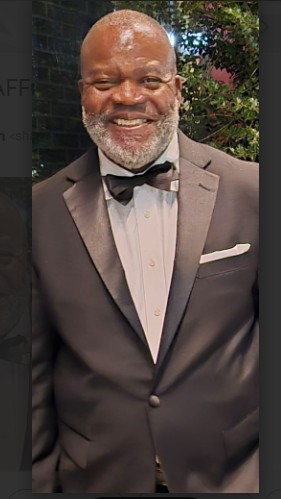
New US visa bonds and travel restrictions could put college dreams out of reach for many young people in Antigua and Barbuda, according to political analyst Stafford H.D. Lewis Sr.
The new rules pose a direct threat to students who depend on American scholarships to fund their education. In addition to standard tuition, travel and application expenses, families must now pay a mandatory bond that remains locked up until the student completes their studies in the United States.
Lewis, who understands the system first-hand after arriving in America 50 years ago on a student visa and earning an athletic scholarship, noted that today’s students face a much steeper climb.
“It’s almost like trying to swim upstream,” Lewis said, pointing out that most Antiguan and Barbudan families simply cannot afford the additional financial burden. Consequently, many students may be forced to delay their plans by a year or look elsewhere entirely.
The restrictions extend far beyond higher education. Back-to-school shoppers who traditionally travel to the US for supplies now encounter the same barriers. Lewis suggested shoppers may increasingly turn to online retailers such as Amazon, although such alternatives limit choices and introduce shipping delays.
Lewis doubts that Antigua and Barbuda ranks high on President Trump’s immediate agenda, citing competing global and domestic issues, including the war in Iran and tensions in the Gaza Strip, the president’s White House ballroom project, upcoming midterm elections, fluctuating gas prices and tariffs, and ongoing US operations in Venezuela and Cuba.
“I don’t see Antigua and Barbuda in his front vision,” Lewis remarked. However, he stopped short of blaming Prime Minister Gaston Browne’s administration for the standoff, describing the situation as complex rather than a failure of diplomacy.
Rather than waiting solely on Washington, Lewis argued that Antigua and Barbuda should cultivate stronger ties with other global partners, including Canada, the United Kingdom and nations in South and Central America. He highlighted Colombia’s medical partnerships and academic links with Canada as successful models for expansion. He also noted China as a growing option, with several young Antiguans already pursuing scholarships there.
Looking ahead, Lewis views next month’s United Nations General Assembly in New York as a critical opportunity for Antigua and Barbuda’s diplomatic team. He recommended scheduling direct meetings with US officials, including Secretary of State Marco Rubio, to advocate for visa cost relief.
However, he cautioned against joining a broad coalition of nations affected by similar restrictions, arguing that each country’s unique situation requires an individual appeal directly to US security officials.
“If the Prime Minister and his administration win, Antigua and Barbuda win,” Lewis said. “If they fail, Antigua and Barbuda fail.”
Despite the gloomy outlook on official visa policies, Lewis is actively working to support students on the ground. He is hosting his third annual Fish and Sips fundraiser this Saturday in Dorchester, Massachusetts, to raise money for books, pencils and school supplies for disadvantaged children in Antigua and Barbuda.
Similar grassroots efforts are underway across the US diaspora, including a back-to-school drive organised in New York’s Gray’s Green community.
“We are bringing resources to the young people in Antigua and Barbuda,” Lewis said, “as they look to start the next school year.”