Antigua Million – By Sharon N Simon
Antigua Million Wto Victory
Antigua and Barbuda has never collected a cent of the $21 million-a-year it won against the United States in a landmark 2003 World Trade Organization ruling.
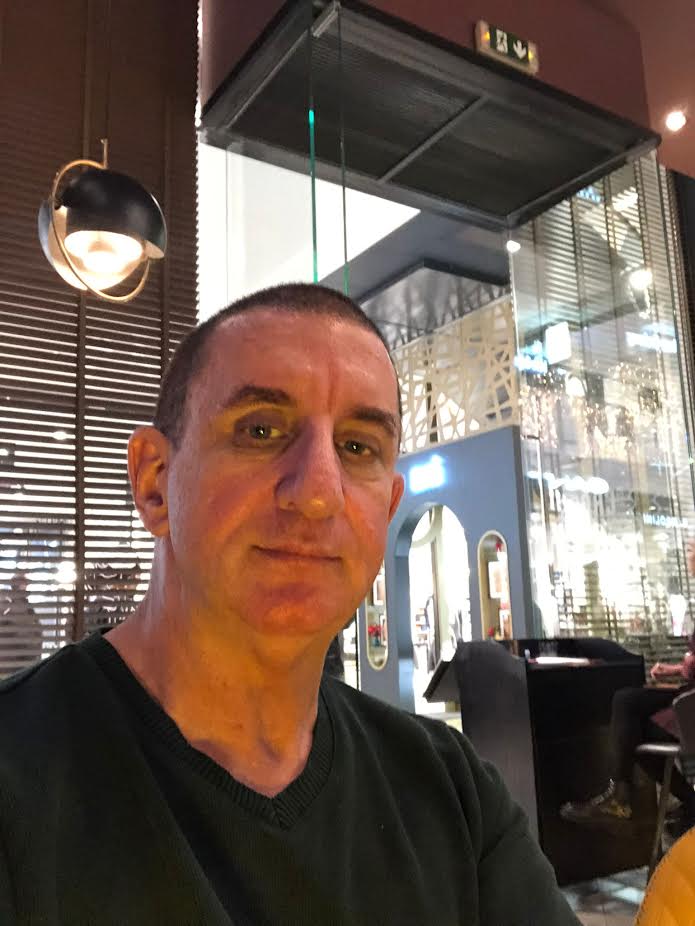
That verdict, one of the most significant trade victories ever secured by a small nation, grew out of a case brought on behalf of World Sports Exchange, the online sportsbook founded in Antigua in 1996 by Jay Cohen. Cohen, a former Pacific Stock Exchange trader with a nuclear engineering degree from the University of California, Berkeley, spoke about the case and its unresolved aftermath in an interview with Observer AM.
Cohen co-founded World Sports Exchange, or WSEX, after searching the Caribbean and Central America for a jurisdiction with formal regulation of internet gambling. He said Antigua was the only place he contacted that offered a structured licensing process rather than an informal arrangement with local officials. The company hired KPMG in St. John’s to process its license, and Antiguan regulators vetted both Cohen and his investors, requiring financial disclosures he said went further than anything demanded by the stock exchange.
WSEX grew from four employees to more than 100 within a decade, according to Cohen, and became one of the first operators to run live, in-game wagering, a feature he called “interactives” that let bettors trade in and out of wagers as games unfolded. He credited much of that expansion to his former business partner, Hayden Ware, who ran the company while Cohen returned to the United States to fight federal charges.
Cohen became the first offshore bookmaker convicted under the 1961 Wire Act, a case he said originated when lawyers for the NFL, NBA, Major League Baseball and the NHL asked federal prosecutors in the Southern District of New York to pursue him. He has written about the prosecution, and what he described as a biased trial judge, in a new memoir, “Odd Man Out,” published by Simon & Schuster and available on Amazon and Barnes & Noble.
The WTO case that followed found the United States had violated its own market-access commitments on gambling services by prosecuting offshore operators licensed in Antigua. When Washington did not comply, the WTO authorized Antigua to impose $21 million a year in trade sanctions, structured unusually as permission to suspend American intellectual property protections on goods including Microsoft software and Disney films. Cohen said the sanctions were designed to pressure those companies to lobby the U.S. government, not to generate revenue directly, and that Antigua never carried them out for fear of retaliation.
Cohen said American officials privately signaled early on that they would not comply even if they lost. He recalled the U.S. ambassador to the WTO telling his Antiguan counterpart before proceedings began that Washington would not abide by an adverse ruling. He also cited leaked diplomatic cables describing more than a billion dollars in trade concessions the United States later offered Britain in exchange for supporting an American bid to withdraw its WTO gambling commitments, a move that ultimately required unanimous consent from member states, including Antigua.
WSEX and similar operators, including Worldwide Telesports, employed hundreds of Antiguans at wages Cohen said exceeded typical offshore banking jobs. He said the industry’s decline, accelerated by the 2006 Unlawful Internet Gambling Act, which cut off credit card processing for licensed operators, hurt the local economy even though many workers saw the downturn coming and adjusted in advance.
Cohen said he would like to see Antigua press again for market access rather than compensation, allowing licensed Antiguan operators to compete directly with American companies such as DraftKings and FanDuel.