Safety Risks – By Kisean Joseph
Safety Risks Autistic Individuals
Wandering, drowning, and abuse are rising threats to autistic individuals across all age groups — and one local specialist says the entire community must step up to address them.
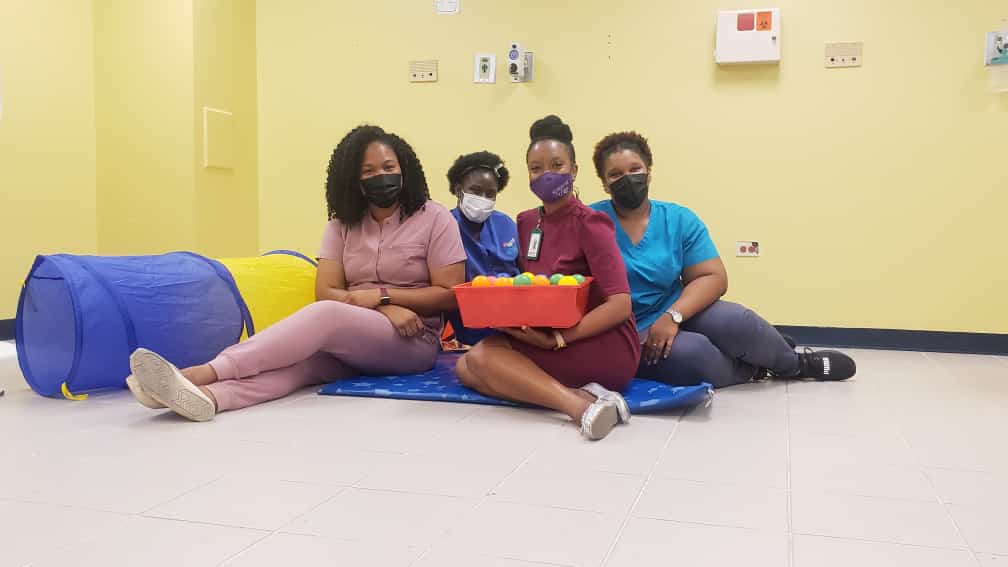
Dr Shivon Belle-Jarvis spoke with Observer Media as part of Autism and Me — a continuing series dedicated to deepening public understanding of autism and its everyday realities. Speaking during Autism Awareness Month, she outlined the key safety challenges facing autistic children and adults in Antigua and Barbuda, and what families, schools, and communities can do to reduce risk.
Among the most urgent concerns, Dr Belle-Jarvis said, is wandering — also known as elopement. Autistic individuals may leave familiar spaces to seek a favorite location, escape sensory overload, or chase a moving object that captures their attention.
“Wandering can occur from the very spaces we deem to be safe, including home and school,” she said, noting the behavior peaks around age four but persists into older ages.
She recommended child-proof locks, safety gates, door and window alarms, GPS tags, and ID bracelets as practical safeguards. Beyond the home, she said, neighbors and community members should be familiar with the autistic individual, and the local police station should be notified and involved in building a safety response plan.
Water also presents a similarly serious risk. Dr Belle-Jarvis explained that many autistic individuals are naturally drawn to water precisely because of its sensory qualities — reflective, calming, and stimulating — often without recognizing its inherent dangers.
To reduce the risk of drowning, she recommended arm’s-length supervision near any water source, pool fencing of at least four feet with self-latching gates, and enrolment in specialized swimming classes that prioritize survival techniques over form. Families should also cover cisterns, remove unused inflatable pools, empty bathtubs and buckets when not in use, and ensure caregivers are trained in CPR, she added.
Abuse, the doctor said, is perhaps the most underacknowledged risk of all. Autistic individuals are highly vulnerable to physical, emotional, and sexual abuse — including from those in positions of trust such as caregivers, teachers, and peers. Bullying, she noted, is widespread in schools, workplaces, and online, and is frequently under-reported due to the communication challenges which affect many autistic individuals.
She encouraged families to teach autistic individuals to refuse uncomfortable situations, leave the scene, and communicate to a trusted adult, in their own way, what has happened — whether through speech, visual aids, or alternative communication tools. For non-verbal individuals, she emphasized close observation as the most critical tool available.
“Subtle changes in behavior should not always be ascribed to autism,” Dr Belle-Jarvis warned, stressing that unexplained bruises or sudden weight loss should never be dismissed. She called for zero-tolerance policies on bullying across schools and workplaces and urged the wider community to remain alert.
Ultimately, the renowned medical expert said, keeping autistic individuals safe is not a burden families should shoulder alone.
“Together we can make Antigua and Barbuda safer and more inclusive for autistic individuals,” she said.