United Taxi – By Tahna Weston
United Taxi Company Anxious
The United Taxi Company (UTC) is preparing its membership for any potential significant fuel price increase, as the escalating conflict in the Middle East — which directly implicates Iran, one of the world’s foremost oil-producing nations — continues to send shockwaves through global energy markets and raise alarm bells for transport operators in Antigua and Barbuda.
The West Indies Oil Company has confirmed that its most recent fuel order arrived at substantially elevated prices. Preliminary figures point to a projected 15 percent increase in gasoline costs and a 40 percent rise in diesel — a development that strikes at the heart of the transport sector’s operating costs.
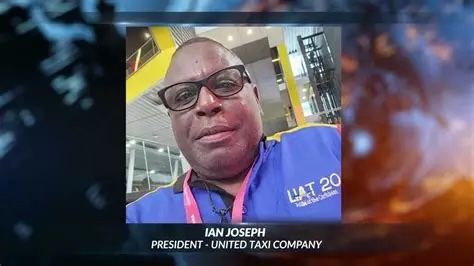
UTC President Ian Joseph said his organisation is not waiting for the increase to arrive before taking action.
“We know what is going on in the world with the wars in the Middle East and we also know that it’s quite possible that that will affect the price at the pump. And we heard that the West Indies Oil Company already sending hints that the fuel that they got is more expensive. So, we’re in the state of anxiety now, where we’re expecting any minute now that there will be a fuel increase which would not help our situation. So, we had a meeting with the members just to give them the heads-up to brace ourselves for the eventuality,” Joseph said.
Joseph said the discussion of fuel costs was among the most pressing items on the agenda at the recent membership meeting, having been brought to the fore by reports by officials about higher import costs. He acknowledged the difficult reality that whatever the company pays at the import level will ultimately need to be reflected somewhere in the chain.
“We had the meeting [on Wednesday, March 11], and other topics were discussed, but that (potential fuel increase) came to the forefront because we saw it in the media that the West Indies Oil Company is saying it’s costing more. So, we know somewhere down the road the cost will have to be passed on to the consumers and that will definitely affect our bottom line,” Joseph said.
The UTC president said the sector is holding out some hope that the government may step in with a subsidy as it has done in the past, but conceded that the outcome this time is far from certain. He said the organisation intends to open dialogue with the government should a price adjustment be confirmed.
“So, we’re just in a state of anxiousness to see what’s the next move and hope that we could have a conversation with the Ministry of Finance or whoever is in charge of stuff like that, if it happens. So, that’s where we are when it comes to the pending increase of the fuel,” Joseph added.
He confirmed that whilst last Wednesday’s meeting was limited to UTC members, he recognises that the conversation must extend to the broader transport community. He said it is his responsibility to first gauge his own membership’s position before engaging other operators — but that those wider discussions are planned for the near term regardless of whether an increase is confirmed.
Officials continue to monitor the situation as the region braces for the potential economic ripple effects of the ongoing Middle East conflict on domestic living costs and the transport sector.